5년 전, 학령기 자녀를 데리고 사우디아라비아 수도 리야드로 이주한다는 것은 선택지가 적고 타협이 많다는 것을 의미했습니다. American International School, British International School 등 기존 학교가 몇 곳 있었고, 그 외에 괜찮은 대안 몇 개가 전부였지만, 국제학교 시장은 작았고 주로 2년 순환 근무의 석유 분야 주재원 수요에 맞춰져 있었습니다.
그 리야드는 사라졌습니다. 비전 2030이 모든 것을 바꿔놓았습니다. 외국인 전문가에게 거주권을 부여하고, 사회적 제한을 완화하며, 메가 프로젝트에 자금을 쏟아붓겠다는 왕국의 결정은 걸프 지역이 본 적 없는 학교 시장 확장을 만들어냈습니다. 현재 63개의 국제학교가 수도에서 운영되고 있으며, 매 학기마다 새로운 캠퍼스가 문을 열고 있습니다.
2026년 현재의 현황은 다음과 같습니다.
교육과정 현황: 미국식 주도, 영국식 도전
두바이(영국식 주도)나 도하(혼합)와 달리, 리야드는 미국식으로 크게 기울어져 있습니다 — 수십 년간의 아람코 가족들과 미국 정부 계약의 유산입니다. 영국식 브랜드 학교들이 들어오면서 변화하고 있지만, 숫자가 여전히 이야기를 해줍니다.
미국식 커리큘럼 (기본값)
리야드 63개 학교 중 약 35개가 미국식 또는 미국식 하이브리드 프로그램을 운영합니다. 1963년부터 운영해 온 American International School Riyadh부터, Riyadh Schools Al Malqa와 Creativity International School 같은 신규 학교까지 다양합니다. 미국식 경로는 K-12로, 일반적으로 고등학교에서 AP 과정을 제공하고, 중학교 과정에서 표준 기반 평가를 하며, 시험 성적보다 전인적 발달을 중시하는 문화를 가지고 있습니다.
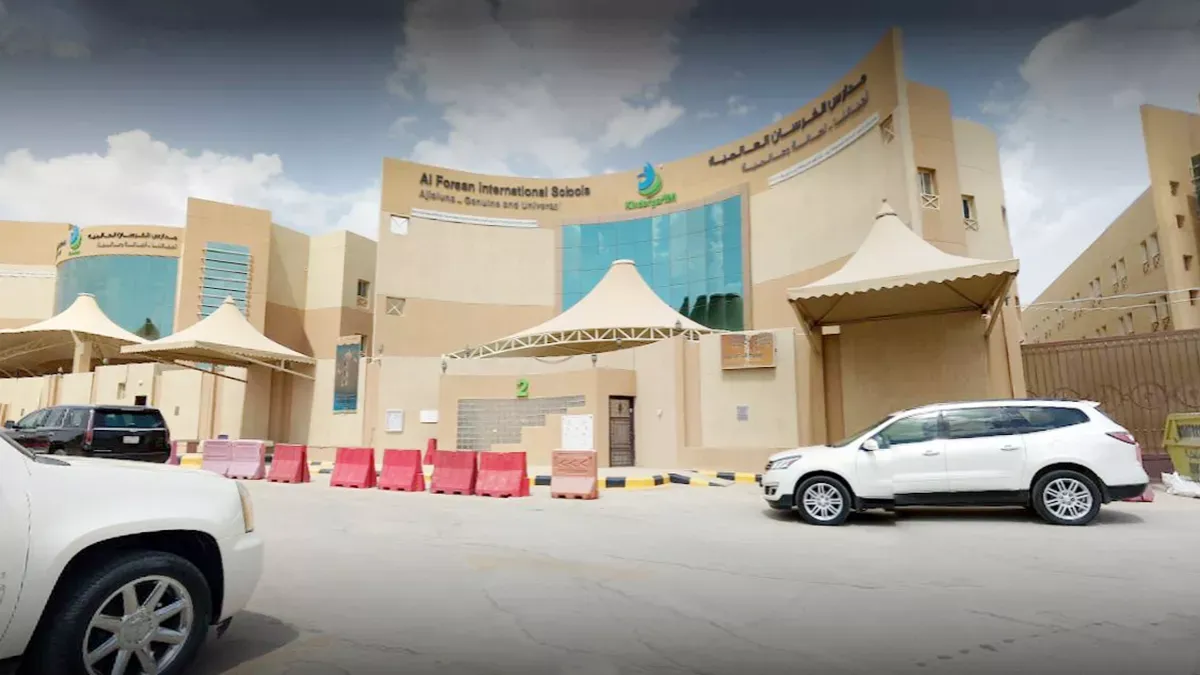
품질 편차는 큽니다. AISR은 연간 SAR 63,000-118,000(USD 17,000-31,000)을 부과하며 걸프 지역 어느 국제학교와도 경쟁하는 교육을 제공합니다. 저가 쪽에서는 Education Castle International School과 Alfarabi International School이 연간 SAR 12,000-20,000(USD 3,200-5,300)을 부과합니다. 중가 미국식 학교 — Al Forsan International School, Britus International Schools Al Olaya, Dream International School — 은 연간 SAR 20,000-28,000에 견실한 미국식 교육을 제공하며, 프리미엄 학비가 필요 없는 가족에게 충분히 살펴볼 가치가 있습니다.
추천 대상: 미국 가정, 미국 대학 진학을 계획하는 가정, 고위험 시험보다 지속적 평가를 선호하는 모든 가정.
영국식 커리큘럼 (빠르게 성장 중)
현재 23개 학교가 영국식 커리큘럼 — EYFS부터 A-Level 또는 IGCSE까지 — 을 제공합니다. 이는 5년 만에 거의 두 배로 늘어난 수치입니다. 신규 진입 학교들은 사우디의 개방을 활용하는 영국 사립학교 브랜드들입니다: King's College Riyadh, Downe House Riyadh, Reigate Grammar School Riyadh, Brooke House College Riyadh, Buckswood School Riyadh, Ellesmere College Riyadh가 모두 2020년 이후 개교했습니다. 대부분 BSO 인증을 보유하거나 진행 중입니다.
핵심은 British International School Riyadh으로, 1979년에 설립되었으며 3,000명의 학생에게 EYFS부터 A-Level, IB Diploma, BTEC까지 전체 과정을 제공합니다. 아직 개교한 지 몇 년 되지 않은 학교에 모험을 걸지 않고 영국식 커리큘럼을 원한다면 검증된 선택입니다.
솔직한 한마디: 일부 영국 브랜드 학교들은 아직 상위 프로그램을 구축 중입니다. King's College Riyadh는 현재 3-12세만 대상으로 합니다. 자녀가 Year 9 이상이라면, 입학하기 전에 학교가 졸업 자격까지 이수시킬 수 있는지 확인하세요.
추천 대상: 영국 및 영연방 가정, 영국 또는 유럽 대학을 목표로 하는 가정, IGCSE와 A-Level을 통한 체계적 진행을 원하는 가정.
International Baccalaureate (IB)
15개 학교가 IB를 일부 형태로 제공하지만, 전체 연속과정을 운영하는 학교는 소수에 불과합니다. American International School Riyadh는 미국식 커리큘럼과 함께 상위 과정에서 IB Diploma를 병행합니다. Al Faris International School은 미국식 트랙과 함께 IB PYP와 MYP를 운영합니다. 스페인 SEK Education Group의 일원으로 거의 130년의 IB 경험을 가진 SEK International School Riyadh는 순수 IB 프로그램을 제공하며 — 42개 국적의 320명 학생이 재학 중입니다.
1990년에 설립된 Learning Oasis International School은 IB와 미국식 디플로마를 병행하며 평균 학급 규모를 15명으로 유지합니다. BISR와 Ellesmere College Riyadh는 모두 6th Form에서 A-Level과 함께 IB Diploma를 제공합니다 — 16세까지 그 결정을 미루고 싶다면 유용합니다.
추천 대상: 다시 이동할 수 있는 글로벌 이동 가정, 탐구 기반 학습을 중시하는 가정, 어느 나라 대학에서든 인정받는 디플로마를 원하는 가정.
알아두면 좋은 기타 커리큘럼
- 독일어: Deutsche Internationale Schule Riad는 1974년에 설립되었으며 65명으로 소규모이지만 독일어/IB 경로를 제공합니다. 학비는 합리적(연간 SAR 31,500-79,000)입니다. 독일 가정이거나 독일어-영어 이중언어 교육을 원한다면 사우디에서 유일한 실질적 옵션입니다.
- 프랑스어: Ecole Francaise Internationale de Riyad는 프랑스어권 커뮤니티를 위해 프랑스식 커리큘럼을 제공하며, 연간 SAR 35,000-43,500입니다.
- 핀란드어: Helsinki International Schools는 핀란드 교육 모델을 리야드에 도입합니다 — 놀이 기반, 숙제 적음, 높은 신뢰. 아직 초기이지만 주목할 가치가 있습니다.
- 인도(CBSE): Al-Yasmin International School과 Dunes International School 같은 학교들이 연간 SAR 8,600-15,600에 CBSE 교육을 제공합니다 — 도시에서 가장 저렴한 가격대입니다.
학비 범위: 실제 예산 계획
리야드의 학비는 대부분의 걸프 도시보다 넓은 범위에 걸쳐 있습니다. 실상은 이렇습니다.
합리적 가격: 연간 SAR 8,000-20,000 (USD 2,100-5,300)
인도 CBSE 학교와 가장 저렴한 미국식 학교들입니다. Al-Yasmin International School은 SAR 8,600-11,500을 부과합니다. Al-Rissalah International School은 SAR 10,500-19,000에 미국식 커리큘럼을 제공합니다. 기능적인 시설, 견실한 학업, 25-30명에 달할 수 있는 학급 규모를 얻을 수 있습니다. 패키지에 학비가 포함되지 않거나 자녀가 셋이라면, 이 학교들은 정직한 교육을 제공하고 있습니다.
중가: 연간 SAR 20,000-55,000 (USD 5,300-14,700)
리야드 시장의 넓은 중간 지대입니다. Al Forsan International School(SAR 23,000-34,000), Al Sahafa International School(SAR 32,000-39,000), Creative Stars International School(SAR 30,000-40,000) 같은 미국식 학교들이 여기 있습니다. 이 범위의 영국식 학교로는 New Generation International Schools(SAR 22,000-28,500), Delta School(SAR 18,500-28,500), Reigate Grammar School Riyadh(상위 과정 SAR 42,400-74,900)가 있습니다. IB 옵션으로는 Al Faris International School(SAR 42,000-50,000)과 Learning Oasis International School(SAR 38,000-60,000)이 있습니다. 대부분의 주재원 가족에게 가장 적합한 구간이며, 가성비가 가장 좋은 영역입니다.
프리미엄: 연간 SAR 60,000-125,000+ (USD 16,000-33,000+)
최상위 등급입니다. American International School Riyadh는 최고 SAR 118,000입니다. Misk Schools는 SAR 85,000-125,000을 부과하며 다른 학교들이 초라해 보이는 시설을 갖추고 있습니다. British International School Riyadh는 SAR 49,000-108,000입니다. Downe House Riyadh는 SAR 48,000-85,000입니다. 고용주가 교육비를 지원한다면 여기로 가게 됩니다. 자비로 지불한다면, 프리미엄이 자녀에게 실질적으로 도움이 되는 것 — 소규모 학급, 전문 교사, 특정 졸업 자격 — 을 제공하는지 확인하세요. 수영장만을 위한 것이 아니라.
예산 팁: 등록비, 교복, 통학 버스(연간 SAR 4,000-8,000), 시험 수수료가 합산됩니다. 공시 학비 위에 10-15%를 추가 계획하세요.
주목할 만한 학교들
이 10개 학교는 가격과 커리큘럼 범위 전체에 걸쳐 다양한 옵션을 대표합니다. 순위가 아닙니다 — 최고의 학교는 자녀에게 맞는 학교입니다.
American International School Riyadh
기관 중의 기관입니다. 1963년에 설립되어 60개 국적의 1,650명 학생에게 미국식 디플로마와 IB Diploma를 모두 제공합니다. 평균 학급 규모 22명. 교복 없음. 프랑스어, 스페인어, 아랍어 제공. 입학에 MAP과 Stanford 테스트가 포함되며 — 대기자 명단을 예상하세요. 연간 SAR 63,000-118,000. 안전하고, 검증된, 최고 수준의 선택입니다.
British International School Riyadh
BISR은 영국 커뮤니티에게 AISR이 미국인들에게 의미하는 것과 같습니다. 1979년에 설립, BSO 인증, 3,000명의 학생, 상위 과정에서 A-Level, IB Diploma, BTEC를 제공합니다 — 이 삼중 제공은 진정으로 드물며 학생들이 16세에 자신의 경로를 선택할 수 있게 합니다. 평균 학급 규모 24명. 강한 영국 대학 연결. 연간 SAR 49,000-108,000. 수시 입학이지만, 인기 학년은 일찍 지원하세요.
Misk Schools
사우디아라비아에서 가장 놀라운 캠퍼스입니다. 2016년 Mohammed Bin Salman Nonprofit City 내에 설립되어, 9개 건물, 3개 강당, 50미터 올림픽 수영장 2개, FIFA 규격 경기장, 승마 시설, STEM 워크숍을 갖추고 있습니다. 학급 규모 최대 15명. Schools Index 2024에서 글로벌 상위 150개 사립학교로 선정. 단점: 98%가 사우디 학생입니다. 다양성이 중요하다면, 이 인구 구성이 고민될 수 있습니다. 연간 SAR 85,000-125,000. 시설과 소규모 학급은 왕국에서 비할 데가 없습니다.
SEK International School Riyadh
SEK Education Group(1892년 설립, 40년 이상의 IB 경험)의 일원입니다. 소규모 캠퍼스 — 320명의 학생, 42개 국적 — 평균 학급 18명, 최대 20명. IB PYP와 MYP 인가, 전체 Diploma 과정을 향해 진행 중. 6개 언어 제공. Al Rabie에 위치. 연간 SAR 35,000-82,000. 교사가 모든 아이의 이름을 아는 학교에서 진정한 IB 교육을 원한다면, SEK를 이기기 어렵습니다.
Al Faris International School
IB(PYP, MYP)와 미국식 프로그램의 이중 트랙, At Taawn에 26개 국적 2,200명 이상의 학생. 평균 학급 규모 18명. 수영장 2개, 체육관, 발레 및 체조실. 60% 사우디 학생이 진정한 문화적 몰입을 제공합니다. 연간 SAR 42,000-50,000. 프리미엄 가격 없이 IB를 원한다면 견실한 중가 선택입니다.
Reigate Grammar School Riyadh
BSO 인증, 65개 이상 국적의 1,500명 이상 학생, 평균 학급 규모 18명. 영국식 커리큘럼, 3-18세, Ghirnatah에 위치. EAL 프로그램을 운영하고 전담 교육 심리학자를 고용합니다 — 리야드에서는 표준적이지 않은 것들입니다. 연간 SAR 42,400-74,900. 브랜드 명성과 합리적 비용의 좋은 균형입니다.
Downe House Riyadh
2022년 개교, 650명의 학생. 특이한 점: Year 4까지는 남녀공학이지만 Year 5부터는 여학생 전용입니다. 영국식 커리큘럼, 원어민 영어 교사, 560석 강연장, 실내 수영장. Al Aqiq에 위치. 연간 SAR 48,000-85,000. 중등부에 진학하는 딸이 있다면, Downe House를 방문할 가치가 있습니다.
King's College Riyadh
사우디아라비아 최초의 영국 사립학교를 자칭합니다. 41개 국적 523명의 학생, 평균 학급 규모 22명. Ad Diriyah에 인조 잔디 경기장, 실내 스포츠 홀 2개, 전용 아랍어 부서를 갖춘 캠퍼스. 연간 SAR 53,000-79,000. 현재 3-12세만 대상 — 자녀가 더 크면 다른 곳을 찾으세요. 하지만 초등 과정에서는 강력한 영국식 옵션입니다.
Ellesmere College Riyadh
한 지붕 아래 영국식, 미국식, IGCSE, IB(PYP, MYP) — 거의 어떤 시스템 출신의 가족이든 경로를 찾을 수 있습니다. Al Hamra 지구. 연간 SAR 48,000-68,000. 수영장, STEM 실험실, 강력한 과외활동. 리야드에서 싱가포르로 다음에 이동할 수도 있다면, Ellesmere의 멀티 트랙 접근은 커리큘럼 고정 문제를 해소합니다.
Learning Oasis International School
1990년에 설립되어, LOINS는 30년 이상 IB와 미국식 디플로마를 운영해 왔습니다. 500명의 학생, 평균 학급 규모 15명. An Nafal에 위치하며 모든 교실에 스마트보드와 BYOD 프로그램을 갖추고 있습니다. 연간 SAR 38,000-60,000. 올림픽 수영장은 없지만 — 교수진은 경험이 풍부하고 IB 프로그램은 성숙합니다. 시설보다 교수법을 더 중시하는 가족에게 믿을 수 있는 선택입니다.
지역별 안내: 학교가 밀집된 곳
리야드는 광활합니다 — 1,500평방킬로미터 이상을 차지하며, 지도에서 짧아 보이는 거리가 교통 체증 속에서 45분이 걸릴 수 있습니다. 학교 근처에 사는 것은 사치가 아니라 생존 전략입니다.
Diplomatic Quarter (DQ)
전통적인 주재원 거주지로, 벽으로 둘러싸이고 대문이 있으며, 대사관, 공원, 리야드의 다른 곳과는 다른 정돈된 느낌을 줍니다. AISR이 인접해 있으며, 오랫동안 외교 또는 기업 파견 미국인과 유럽인 가족의 기본 거주지였습니다. 주거는 수영장, 테니스 코트, 커뮤니티 분위기를 갖춘 콤파운드 스타일입니다. DQ는 안전하고, 예측 가능하며, 약간의 거품 속 생활입니다 — 이것이 정확히 원하는 것이거나, 정확히 원하지 않는 것입니다.
추천 대상: 외교관 가족, AISR 도보 거리를 원하는 미국인, 편안한 정착을 원하는 신규 입국자.
Al Nakheel & Al Olaya
리야드 북부의 상업 중심축입니다. Kingdom Tower, Faisaliah Tower, 쇼핑몰, 레스토랑, 그리고 성장하는 사교 분위기가 있습니다. Britus International Schools Al Olaya가 바로 여기 있습니다. 여러 학교가 King Fahd Road를 따라 북쪽이나 남쪽으로 짧은 거리에 있습니다. 이 지역은 빌라보다 아파트 생활이 더 많으며, 인프라는 현대적입니다. 등하교 시간의 King Fahd Road 교통은 성경적 수준입니다 — 가능하면 횡단하지 마세요.
추천 대상: 금융 지구에서 일하는 전문직, 도시 편의성을 원하는 가족, 차가 없는 부부(메트로 노선이 이 지역을 통과합니다).
Al Aqiq & Hittin
새로운 학교 건설이 활발한 고급 북부 교외입니다. Downe House Riyadh가 Al Aqiq에 있습니다. Riyadh Schools Hittin이 근처입니다. 빌라와 현대식 콤파운드가 지배적입니다. 이 지역은 넓고, 비교적 새롭고, King Salman Road와 잘 연결되어 있습니다. 주거 수당을 받으며 정원이 있는 빌라를 원한다면, 이곳이 당신의 구역입니다.
추천 대상: 새로운 주거를 원하는 가족, 중~프리미엄급 학교가 근처에 있고, 좋은 도로 연결을 갖춘 교외 분위기.
At Taawn & An Nafal
조금 더 북쪽으로, Al Faris International School(At Taawn)과 Learning Oasis International School(An Nafal)이 있습니다. 더 주거 중심적이고, 조용하며, 중산층 사우디와 주재원 가족에게 점점 인기가 높아지고 있습니다. 주거비가 Al Aqiq이나 DQ보다 저렴합니다. Northern Ring Road에 대한 접근성이 좋습니다.
추천 대상: 중간 예산, 북부의 IB 또는 미국식 학교에 다니는 가족, 조용한 동네를 선호하는 분들.
Al Malqa & Al Rabie
리야드의 도시 경계를 확장하는 최신 북부 개발지입니다. Riyadh Schools Al Malqa와 SEK International School Riyadh(Al Rabie)가 여기 있습니다. 주거는 새 건물이며, 종종 더 넓고, 기존 북부 교외보다 가격이 낮습니다. 단점: 인프라가 아직 발전 중이며, 시내 중심부로 남쪽 출퇴근이 좋은 날에도 30-40분 걸립니다.
추천 대상: 새 주거를 원하는 가족, 더 넓은 공간, 매일 시내 출퇴근이 필요 없는 분들.
Ad Diriyah
사우디아라비아의 역사적 심장부로, 비전 2030 하에 유산 및 문화 관광지로 재탄생하고 있습니다. King's College Riyadh가 Ad Diriyah의 Al Khalidiyah 지역에 있습니다. 주거 지구로서 아직 부상 중이지만, 정부 투자는 막대합니다. 새로운 것의 일부가 되고 싶은 가족에게 흥미로운 선택입니다.
추천 대상: 문화와 역사에 끌리는 가족, 빠르게 발전하는 지역의 얼리 어답터가 되고 싶은 분들.
입학: 알아야 할 사항
사우디 학년도는 8월 말부터 6월 중순까지입니다. 대부분의 학교가 10월에 다음 해 9월 입학 지원을 시작합니다. 프리미엄 학교 — AISR, BISR, Misk — 는 인기 학년이 3월까지 마감됩니다. 6개월에서 12개월 전에 시작하세요.
거의 모든 학교가 평가를 요구합니다: 유아기에는 놀이 기반 관찰, 미국식 학교는 2학년부터 MAP 테스트, 영국식 학교는 CAT4를 사용합니다. 대부분 배치용이지 입학 제한용이 아니지만 — EAL 지원 없이 영어가 제한적이면 실질적 장벽이 될 수 있습니다.
대부분의 학교가 학기 중 입학을 받습니다 — BISR, SEK, King's College 모두 수시 등록을 확인합니다. 자리가 더 빡빡하므로 일찍 연락하세요.
이것을 준비하세요: 여권 사본, 이카마(거주 허가), 이전 학교 성적표, 예방접종 기록, 건강 적합성 증명서. 도착 전에 모든 것을 인증받으세요.
동시에 3-5개 학교에 지원하세요. AISR과 BISR의 대기자 명단은 실제입니다. 확정된 자리가 있으면 자녀를 데리고 도착했는데 학교가 없는 공포를 없앨 수 있습니다.
아무도 알려주지 않는 것들
주중 수업은 일요일부터 목요일입니다. 금요일과 토요일이 주말입니다. 당신의 체내시계가 약 2주간 이것과 싸우다가 포기할 것입니다.
학교는 일찍 시작합니다. 대부분의 학교가 오전 7:00에서 7:45 사이에 시작하여 오후 1:30-3:00에 끝납니다. 더위가 일정을 결정합니다. 9월과 10월에는 여전히 40도 이상의 기온이며; 야외 활동은 아침에 하거나 아예 하지 않습니다.
아랍어가 필수입니다. 사우디 교육부는 모든 학교에서 아랍어 교육을 의무화합니다. 비아랍어권 가족의 경우, 자녀는 아랍어를 제2언어로 공부하게 됩니다. 강도는 학교마다 크게 다릅니다 — 방문 시 구체적으로 물어보세요.
성별 정책이 다양합니다. 일부 학교는 전 연령 완전 남녀공학입니다. Downe House Riyadh 같은 곳은 특정 단계에서 단일 성별로 전환합니다. King Faisal School은 남학생과 여학생 캠퍼스를 별도로 운영합니다. 왕국은 제한을 완화하고 있지만, 교육에서의 성별 규범은 학교마다 다릅니다. 직접 물어보세요.
시장이 빠르게 움직이고 있습니다. 비전 2030이 가속화되면서 매년 새로운 학교가 문을 엽니다. 조사를 시작했을 때 존재하지 않았던 학교가 당신이 도착할 때쯤 학생을 받고 있을 수 있습니다. Scholae를 정기적으로 확인하세요 — 새로운 학교가 출범하면 추가합니다.
콤파운드 생활은 현실입니다. 많은 주재원 가족이 특히 파견 초기에 게이트가 있는 주거 콤파운드에 살고 있습니다. 콤파운드 내부의 사회적 네트워크는 강렬하고 유용합니다 — 그곳의 학부모들이 입학 사무실이 절대 하지 않을 방식으로 현지 학교에 대한 솔직한 진실을 알려줄 것입니다.
비교 시작하기
리야드의 63개 국제학교는 대부분의 가족이 예상하는 것보다 — 지리적으로나 교육적으로나 — 더 넓은 범위를 다룹니다. 미국식 커리큘럼이 주도하지만, 지난 몇 년간의 영국식 유입으로 이제 프리미엄 영역에서 진정한 선택지가 생겼으며, IB 옵션도 빠르게 성숙하고 있습니다. 필요한 학교는 여기 있습니다. 도전은 커리큘럼, 예산, 통학 시간을 자녀만이 아닌 가족에게 맞는 조합으로 만드는 것입니다.
Scholae에서 리야드 63개 학교 전체를 탐색하고, 커리큘럼과 연령대별로 필터링하고, 학교를 나란히 비교하여 실제로 중요한 세부사항에서 어떻게 다른지 확인하세요.
행운을 빕니다. 생각보다 적게 필요할 것입니다.