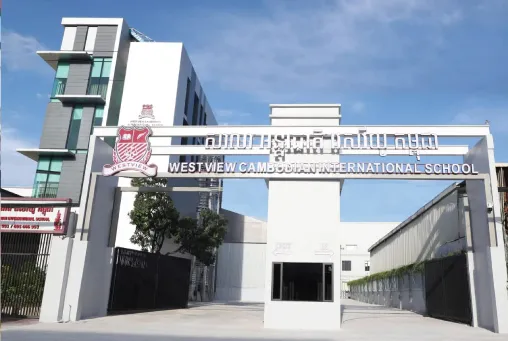
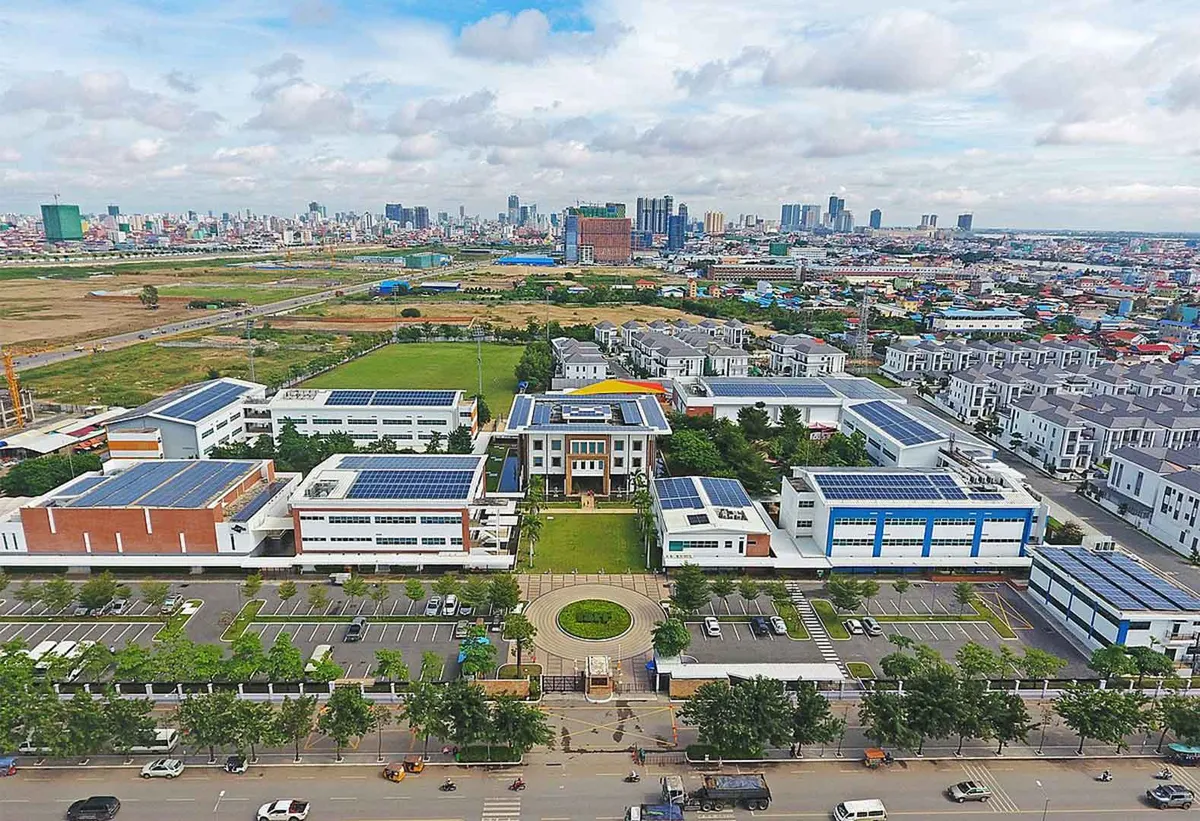
Phnom Penh의 빠르게 성장하는 주거 지역으로, 넓은 도로, 새 콘도미니엄, 외국인 편의시설이 갖추어진 곳입니다. 도심보다 여유로운 공간과 합리적인 가격이 장점입니다.
4/5
안전
5/5
가족 친화
3/5
삶의 질
3/5
외국인 친화
3/5
의료
중규모
외국인 커뮤니티
22-35°C
기온 범위
보통
영어 수준
☀️ 기후 및 날씨
월별 기온, 강수량 및 해수 상태
36°C
가장 더운 달 (4월)
22°C
가장 서늘한 달 (12월)
20
월평균 맑은 날
1488mm
연간 강수량
평균 최고기온평균 최저기온강수량
💰 생활비
월별 가족 예산 추정치 (USD)
한눈에 보기
$1,200
평균 월세
$2.00
저렴한 식사
$10
중간급 저녁식사 (2인)
외식 및 음료
카푸치노$3.00
국산 맥주$1.00
수입 맥주$3.00
생수 (1.5L)$0.50
식료품
식빵 한 덩이$1.50
우유 (1L)$2.50
달걀 12개$2.00
닭고기 (1kg)$5.00
교통
택시 기본요금$0.75
택시 km당 요금$0.60
월정기권$0.00
휘발유 (리터당)$1.15
월별 청구서
인터넷$25 /월
공과금 (평균)$60 /월
헬스장 회원권$45 /월
가사 도우미$200 /월
유치원 / 어린이집$400 /월
일반
침실 2개 아파트 또는 현지식 타운하우스에 거주하는 가족, 툭툭과 패스앱 이용, 자녀는 현지 이중언어 또는 합리적 비용의 국제학교에 재학
$1,700/월
임대료$400
식료품$260
생활 및 여가$120
교통$100
공과금$55
외식$200
의료$80
학비 (자녀 1인당)$400
가사 도우미$85
중산층
침실 3~4개 빌라 또는 보레이 주택에 거주하는 가족, 자동차 1대, 자녀는 노스브릿지 또는 중급 국제학교에 재학
$4,000/월
임대료$1,000
식료품$450
생활 및 여가$280
교통$250
공과금$110
외식$400
의료$200
학비 (자녀 1인당)$1,100
가사 도우미$210
프리미엄
프리미엄 보레이 내 정원이 있는 대형 빌라, 전속 기사, 자녀는 명문 국제학교에 재학, 헬스장 회원권
$7,500/월
임대료$2,200
식료품$700
생활 및 여가$600
교통$450
공과금$180
외식$700
의료$350
학비 (자녀 1인당)$1,800
가사 도우미$520
Toul Kork is Phnom Penh's emerging family neighborhood — more spacious, more affordable, and more Cambodian than the BKK districts. The wide boulevards lined with new boreys (gated housing developments) attract Cambodian upper-middle-class families and a growing number of expats seeking space and value. All transactions in USD.
🌬️ 대기 질
월평균 AQI (미국 EPA 기준)
951월
1002월
903월
754월
555월
456월
457월
458월
409월
5010월
7011월
8512월
좋음 (0~50)보통 (51~100)USG (101~150)나쁨 (151+)
연간 평균 AQI는 66입니다. 1월~12월 대기 질이 가장 좋으며, 9월에 40로 최저를 기록합니다.
👥 인구 통계
10%
외국인 비율
중간
소득 수준
~170,000
인구
국적
캄보디아인90%
Chinese-Cambodian3%
한국인2%
유럽인2%
미국인1%
Other2%
사용 언어
크메르어87%
🏘️ 커뮤니티 및 문화
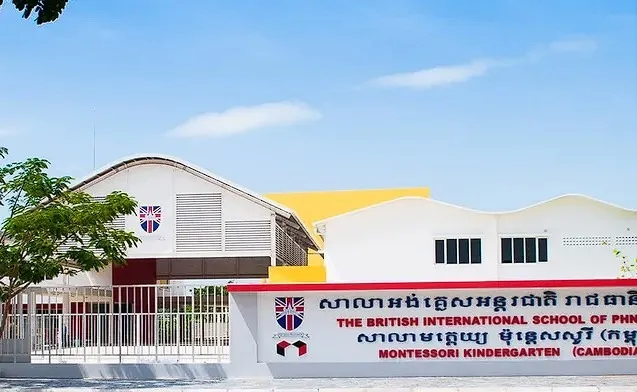
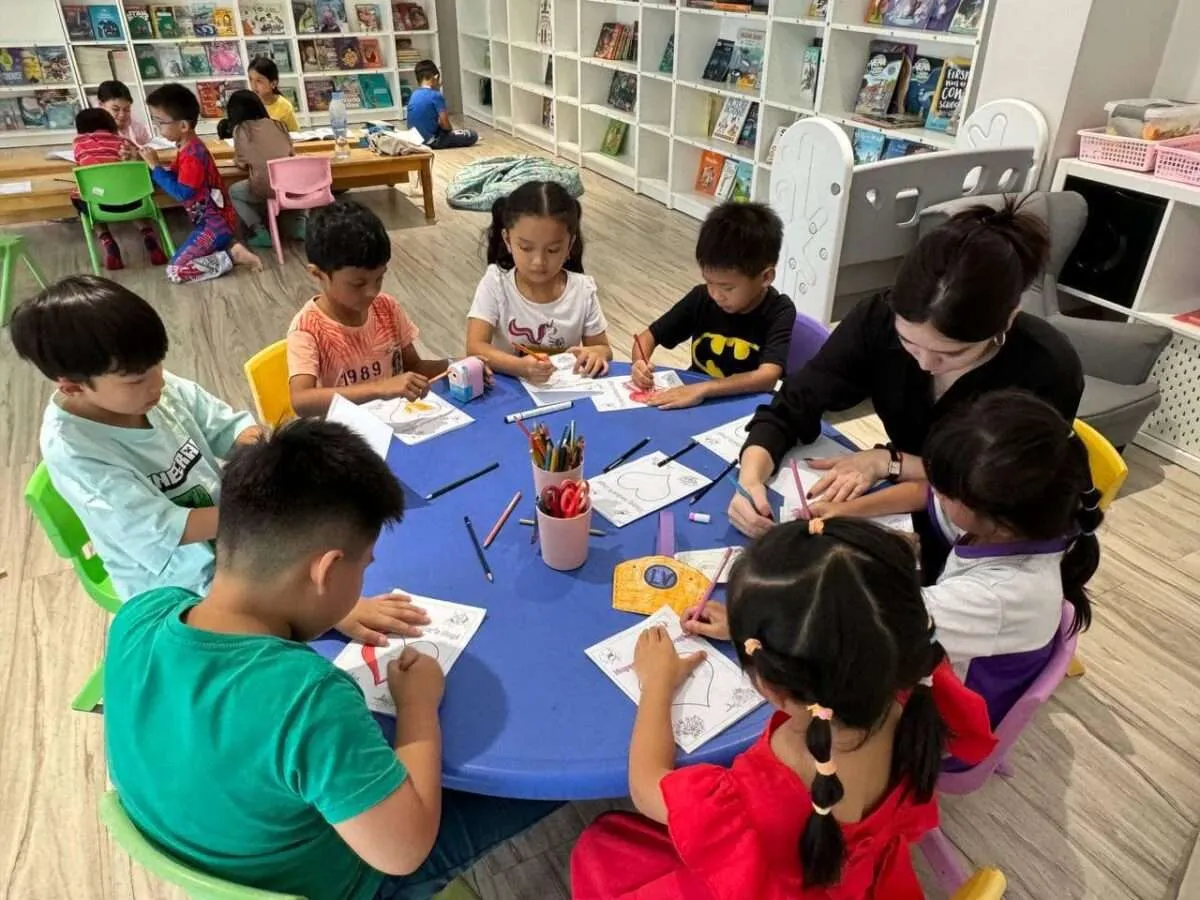
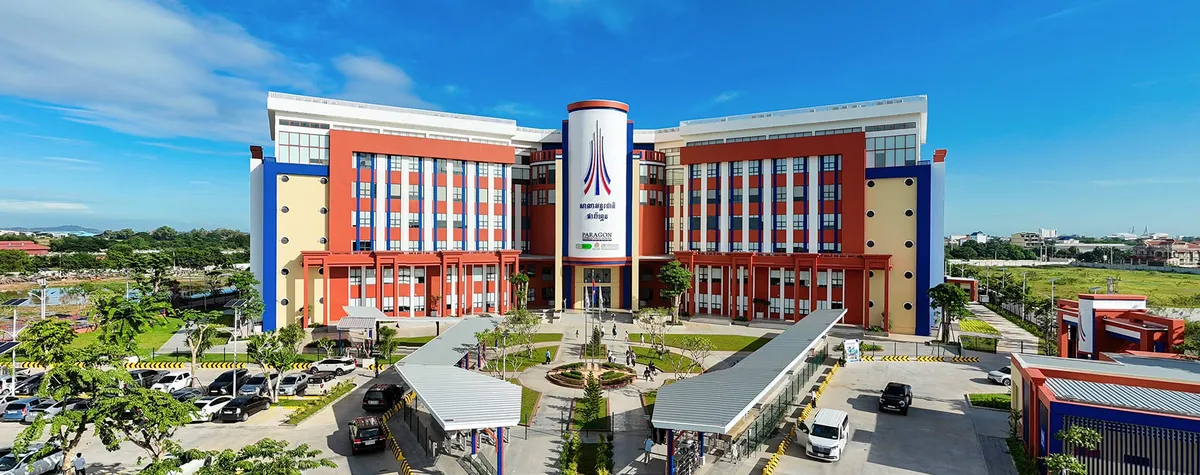
노스브리지 국제학교가 성장하는 외국인 가족 커뮤니티의 중심합리적 가격의 빌라형 거주를 제공하는 보레이(게이트 커뮤니티)넓고 교외적 — 프놈펜 중심부보다 같은 돈으로 더 넓은 집현대적 상가가 있는 활기찬 캄보디아 중산층 동네
거주민 구성
Toul Kork는 Phnom Penh에서 빠르게 발전하고 있는 주거 지역으로, 새로운 콘도미니엄과 상업 개발이 한창입니다. 캄보디아 중산층 가족, 외국인 전문직 종사자, NGO 직원들이 거주합니다. BKK1보다 넓은 공간을 합리적인 가격에 제공합니다.
🌳 공원 및 여가
거주자를 위한 내장형 레크리에이션을 제공하는 보레이 수영장과 놀이터더 팩토리 프놈펜 — 미술 전시, 요가, 창작 워크숍커뮤니티에 개방된 국제학교 주말 스포츠 프로그램오동 — 북쪽 40km 언덕 위 사원이 있는 옛 왕도, 당일치기
공원과 녹지
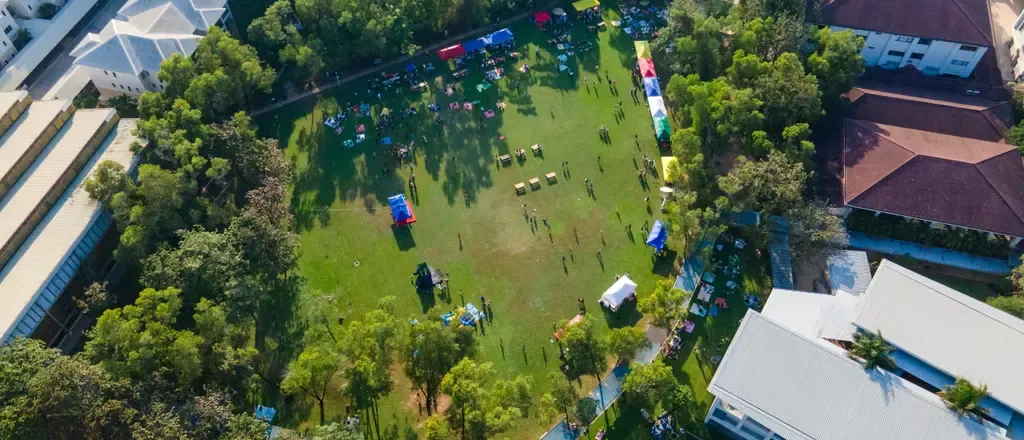
Toul Kork의 공원과 녹지가 개선되고 있으며, 아침저녁으로 주민들이 산책과 운동을 즐깁니다.
🚗 교통 및 이동
뚤꼭 가정에서 노스브리지 국제학교까지 5~15분혼잡한 도심보다 쾌적한 운전의 넓은 신규 도로도심(BKK1)까지 15~25분; 혼잡 시 20~30분공간이 제한된 도심과 달리 무료 주차 광범위하게 가능
자가 운전 및 오토바이
오토바이나 툭툭이 일반적인 이동수단입니다. 도심까지 15-20분 소요됩니다.
🛒 일상생활
현대적 소매와 엔터테인먼트의 칩몽 271 메가몰과 TK 에비뉴레몬그라스 볶음과 구운 고기 $2~4의 우수한 캄보디아 레스토랑영어 가능 의사가 있는 인근 로열 프놈펜 병원현대식 건물에서 50~100Mbps 광섬유 인터넷 월 $30~40
식료품
새로운 슈퍼마켓과 편의점이 늘어나고 있습니다. 현지 시장에서 신선한 식재료를 저렴하게 구할 수 있습니다.
📝 기후에 맞는 생활
넓은 도로로 햇빛 노출 많음 — 수목 캐노피 아직 성숙 중신식 배수 인프라로 도심보다 침수 대응 양호혼잡한 프놈펜 도심보다 대기질 일반적으로 양호높은 기초 위에 건설된 보레이는 몬순 비에도 건조 유지 경향