Loading...
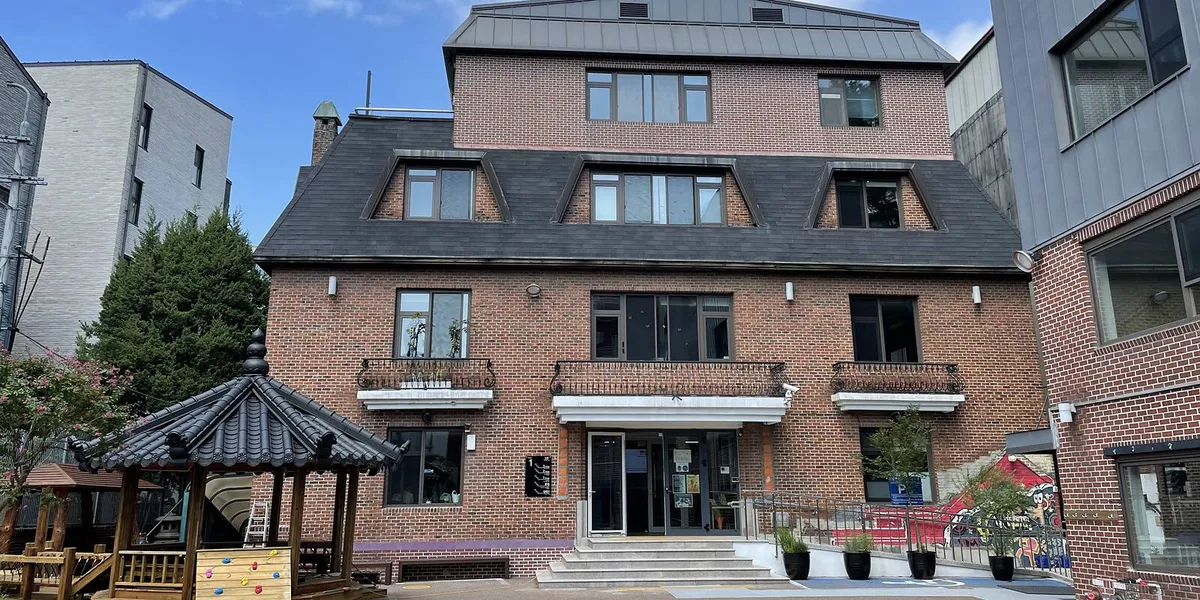
BC Collegiate Seocho
Seoul, South Korea
American
Ages 3–11
Loading...
South Korea
Seoul presents expat families with a dynamic, ultra-modern city experience backed by excellent education systems and numerous international schools. South Korea's capital offers world-class healthcare, efficient public transportation, and cutting-edge technology infrastructure. The city never sleeps, with vibrant neighborhoods, excellent restaurants, and rich cultural offerings. While the cost of living is relatively high, especially for housing, salaries often compensate. The education culture is highly competitive, which can be both advantageous and stressful for families. Air quality can be concerning during certain seasons. The expat community is large and well-established, with good support networks and English-language services widely available.
Monthly temperatures, rainfall, and sea conditions
Monthly family budget estimates (USD)
A family renting a 2-bedroom apartment (jeonse or wolse) in Mapo-gu or Dongjak-gu, using the subway extensively, mixing Korean and Western groceries, children at a hagwon-supplemented local school or lower-tier international school.
A 3-bedroom apartment in Yongsan-gu or Seocho-gu, children at a reputable international school like SIS or KIS, regular dining out, gym membership, weekend getaways.
A luxury apartment in Gangnam, Hannam-dong, or UN Village, children at top-tier schools like SFS or Chadwick, private driver, country club, premium healthcare, regular international travel.
Seoul is an expensive city by Asian standards, particularly for housing and education. The jeonse (key money deposit) system makes renting unusual compared to other capitals. International school fees are among Asia's highest. However, food, public transport, and healthcare are world-class and reasonably priced. All figures in USD at approximately 1 USD = 1,350 KRW.
Average monthly AQI (US EPA scale)
Yearly average AQI is 64. Best air quality Jan–Dec (best: Sep at 45).