Loading...
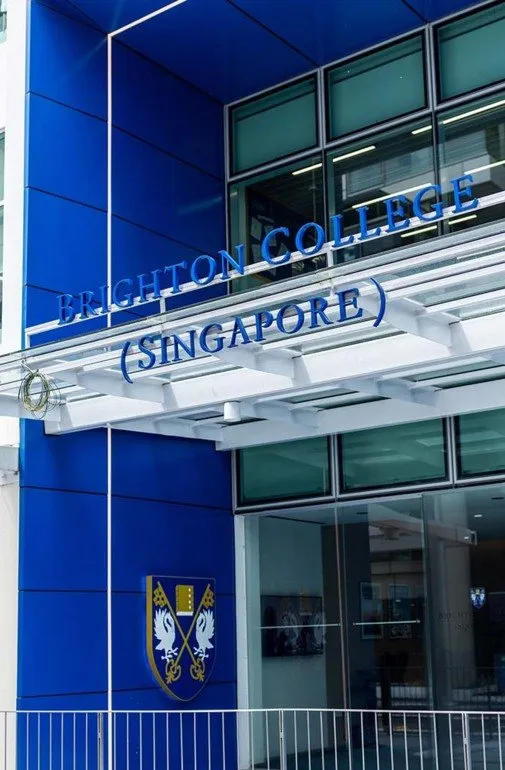
Brighton College (Singapore)
シンガポール, シンガポール
British
対象年齢 2〜16歳
Loading...
強いビレッジコミュニティの雰囲気とインターナショナルスクールの密集が特徴の郊外の戸建て住宅エリアです。オーストラリア、フランス、アメリカの家族に人気があります。
月別気温・降水量・海況
月間家族予算の目安(USD)
セミデタッチの上階または近くの2ベッドルームコンドを賃貸、公共交通機関を利用、子どもは中堅の学校に通う家族。
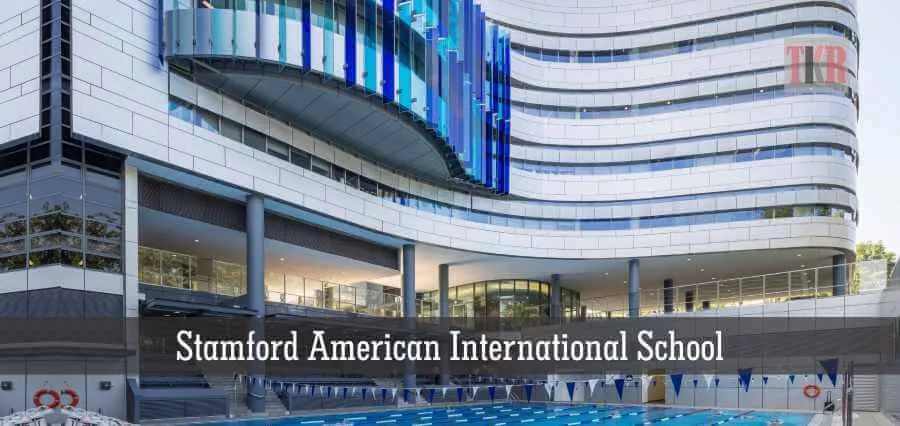
地区内のテラスハウスまたはセミデタッチを丸ごと賃貸、子どもはスタンフォード・アメリカンやAISSに通い、車1台所有の家族。
地区内の一戸建てバンガローまたは建て替えた大型テラスハウスに住み、子どもはトップクラスの学校に通い、車2台所有、常勤の家事手伝い、カントリークラブ会員の家族。
Serangoon Gardens offers significantly more affordable landed housing than the prime districts, making it attractive for families wanting space on a moderate budget. All figures in USD.
月別平均AQI(米国EPA基準)
年間平均AQIは56です。 大気質が最も良い時期は1月〜12月(最良:2月、AQI 40)。
セラングーンガーデンズは1950年代にシンガポール初の計画的郊外住宅地のひとつとして開発されました。多くの物件が家族を通じて世代を超えて受け継がれ、強いアイデンティティを保持しています。ホーランドビレッジやリバーバレーのような国際色豊かなエリアとは対照的に、ここはコピティアムでシングリッシュが聞こえ、おばちゃんたちが朝の太極拳をする、独特のシンガポールらしさのある地区です。
セラングーンガーデンズはアクセスしやすい緑地に囲まれています。タビストック・アベニューのメープルウッド・パークは子どもの遊び場とフィットネスコーナーのある静かな緑のポケットです。より大きなセラングーン・パークとプンゴル・パークコネクターは、成熟した熱帯植物を通る長い散歩やサイクリングルートを提供しています。ワイルドな体験には、ロロン・チェンチャルのORTO(アウトドアレクリエーションテーマパークアウトレット)にエビ釣り池、トランポリンパーク、屋外アクティビティがあり、人気の週末家族外出先です。
ノースイースト線とサークル線が交差するセラングーンMRT駅が主要な交通ハブで、セラングーンガーデンズからバスで約10分または短い車の距離です。この乗り換え駅はCBD(ドービー・ゴート)、ハーバーフロント、ワンノースへの直通接続を提供しています。サークル線のロロン・チュアン駅が住宅地の北端にやや近いです。アッパー・セラングーン通りとヨー・チュー・カン通り沿いの複数のバス路線がセラングーンMRT、アンモキオ、市内中心部と接続しています。
セラングーンガーデンズは食で有名です。チョンプチョンプ・フードセンターはシンガポールで最も有名なホーカーセンターのひとつで、ホッケンミー、サテー、バーベキューチキンウィング、エイ料理を求めて島中から訪問者が集まります。チョンプチョンプ以外にも、マジュ・アベニューやバーグレー・ドライブ沿いにクラフトコーヒーからベトナムのフォーまで幅広いレストランやカフェがあります。シェンション(Sheng Siong)とフェアプライスのスーパーマーケットが日常の食料品ニーズに対応し、マイヴィレッジ@セラングーンガーデンにはコールドストレージ、パン屋、専門食品店を備えた小さなライフスタイルモールがあります。
セラングーンガーデンズは内陸の低層住宅地で、沿岸のそよ風の恩恵はありませんが、CBDの最悪のヒートアイランド効果も避けています。気温はシンガポールの標準的な熱帯の24〜32℃で、住宅地の成熟した木々と比較的低い密度がいくらかの自然な冷却を提供しています。一戸建て住宅地の夕方の気温は、建物が熱をため込む高層コンドミニアムの回廊よりも快適に感じることがあります。