Loading...
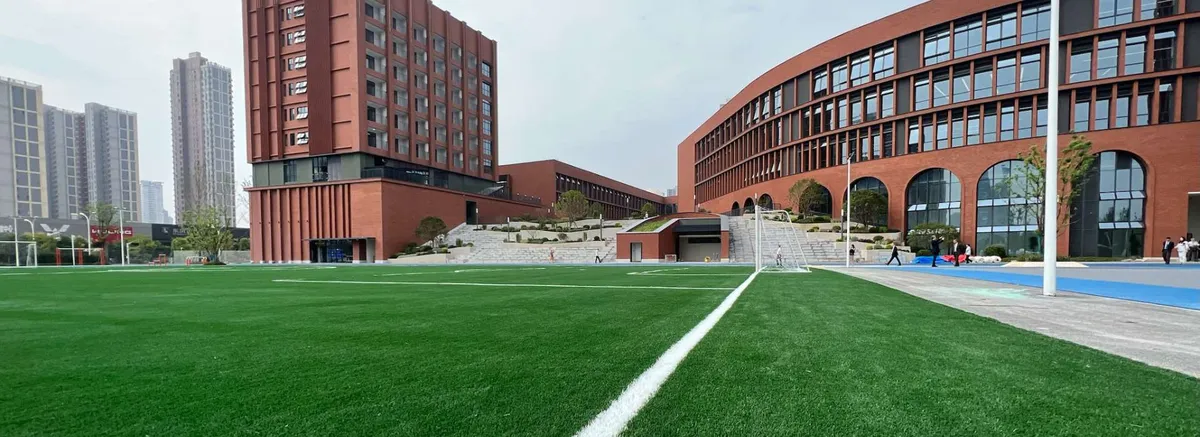
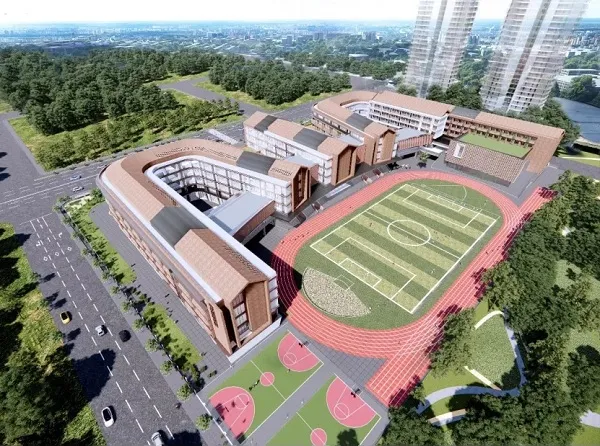
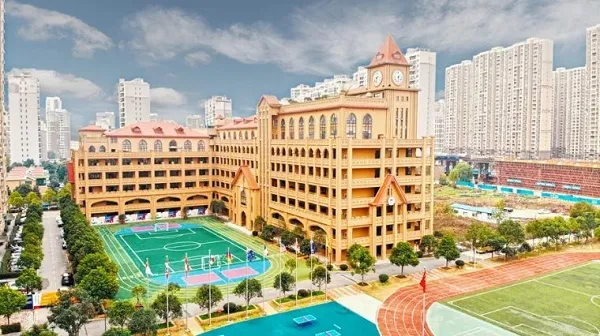
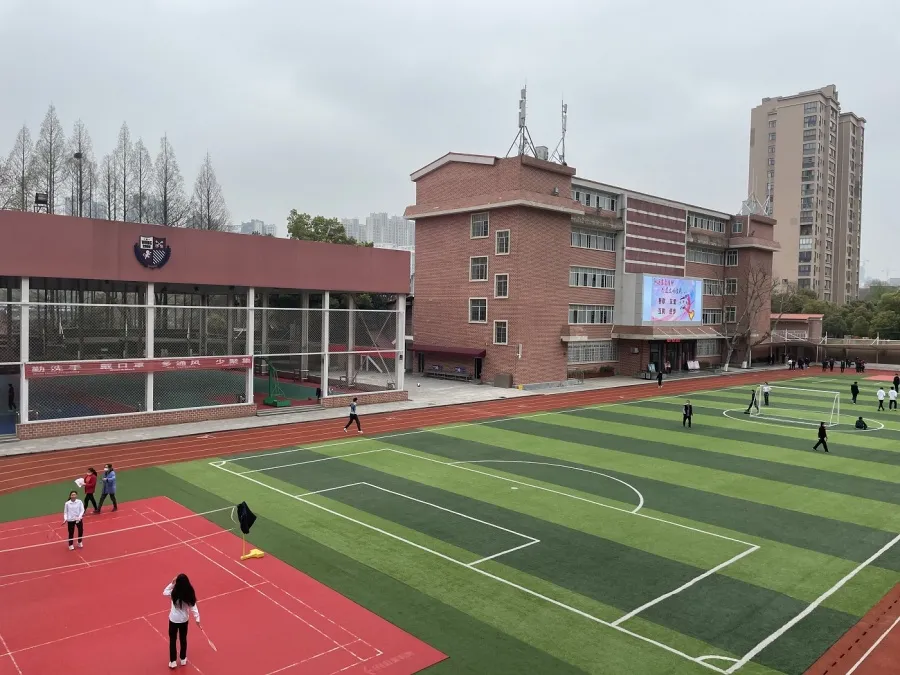
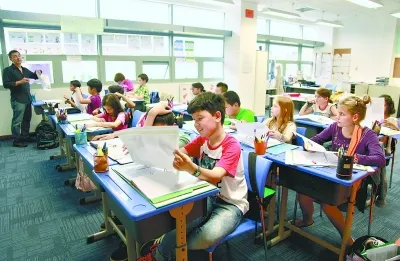
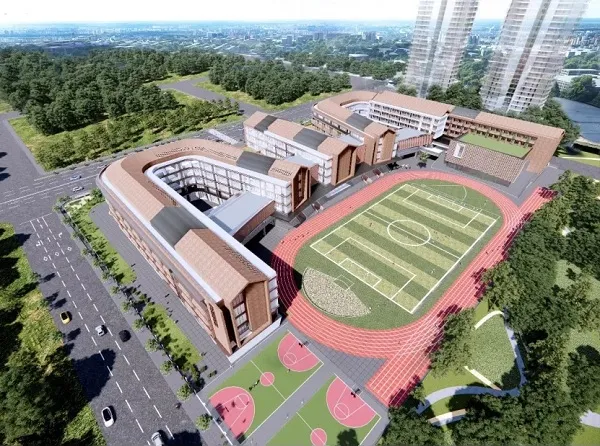
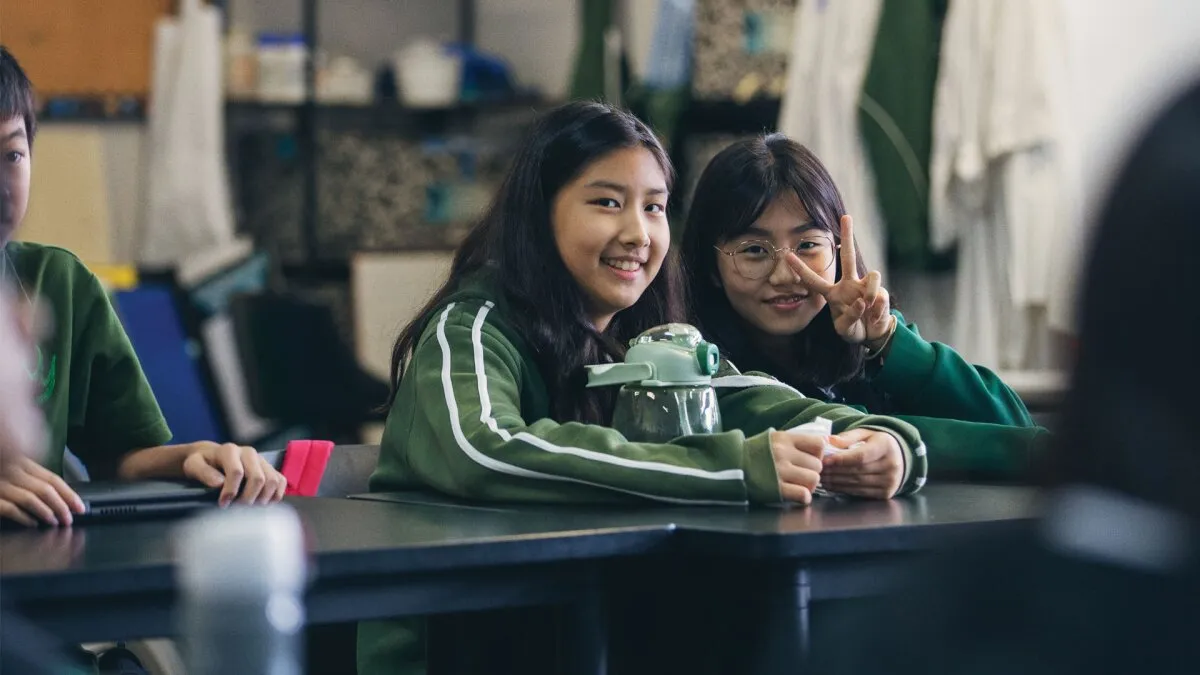
BASIS International School Wuhan
우한, 중국
American
Loading...
중국
우한은 중국 중부의 주요 교육 및 산업 허브로, 합리적인 비용으로 양질의 국제학교를 주재원 가족에게 제공합니다. 풍부한 역사, 우수한 교통 연결성, 성장하는 현대적 편의시설을 갖추고 있습니다. 특정 계절에 대기질이 도전적일 수 있지만, 베이징이나 상하이에 비해 낮은 생활비가 가족에게 매력적입니다. 외국인 커뮤니티는 작지만 지원이 좋으며 국제 비즈니스 존재감이 증가하고 있습니다. 특히 국제 병원의 의료 시설이 양호합니다. 전통 중국 건축부터 현대적 쇼핑 지구까지 풍부한 문화 경험이 있습니다. 언어 장벽이 존재하지만 젊은 세대의 영어 실력이 향상되고 있습니다.
월별 기온, 강수량 및 해수 상태
월별 가족 예산 추정치 (USD)
우창이나 한양의 현지 아파트, 지하철 이동, 현지 레스토랑 식사, 중국 사립학교이나 기본 이중언어 옵션.
광구이나 장한구의 현대적인 아파트, 국제학교, 차량, 정기적인 외식, 풀타임 아이, 삼협이나 황학루 주말 여행.
한커우 강변의 고급 아파트이나 빌라 단지, 최고급 국제학교, 전속 운전기사, 프리미엄 수입 식료품, 국제 수준 의료, 잦은 국내외 여행.
Wuhan is a major central Chinese city with a cost of living significantly lower than Beijing or Shanghai. As a rising tech and education hub with over 80 universities, it offers good value for expat families. The yuan (CNY) trades at roughly 7.2 to 1 USD.
월평균 AQI (미국 EPA 기준)
연간 평균 AQI는 110입니다. 4월~10월 대기 질이 가장 좋으며, 9월에 80로 최저를 기록합니다. 1월~12월에는 더위, 습도, 먼지로 대기 질이 악화됩니다 (최고: 12월 150). 천식이나 호흡기 질환이 있는 자녀를 둔 가정은 여름철 실내 활동을 계획하는 것이 좋습니다.