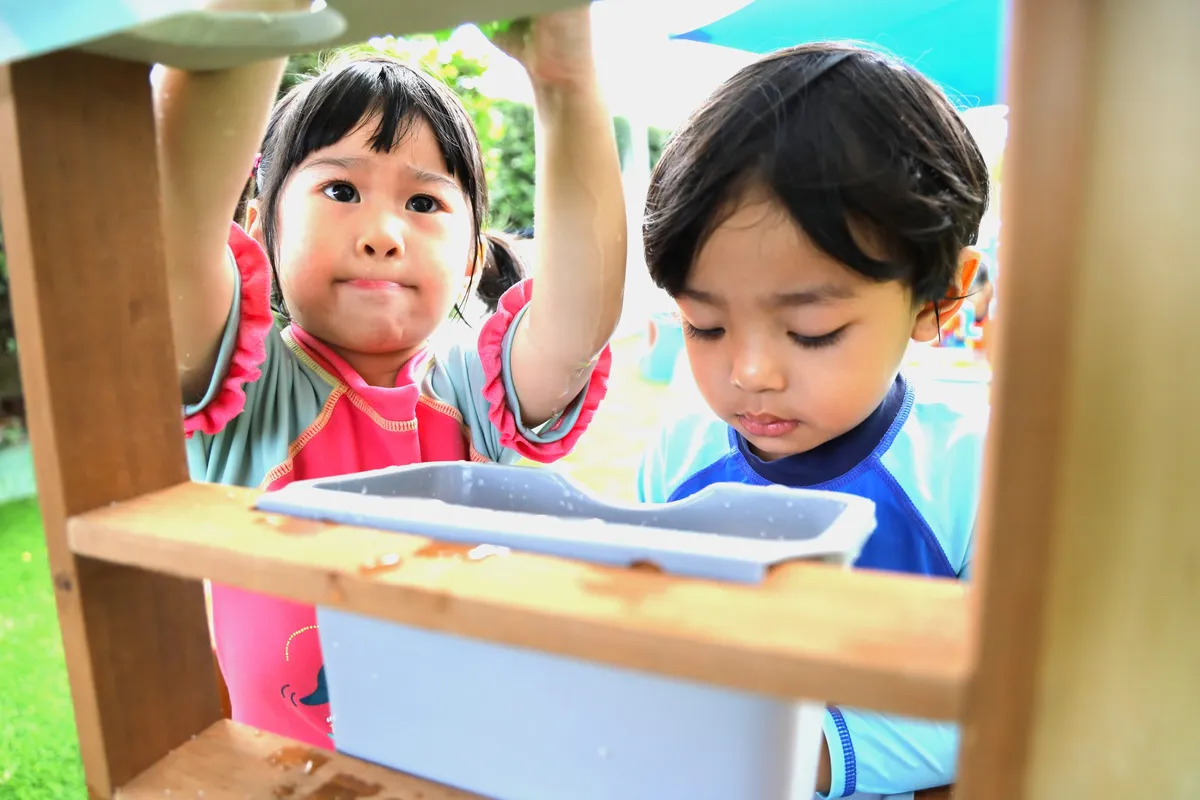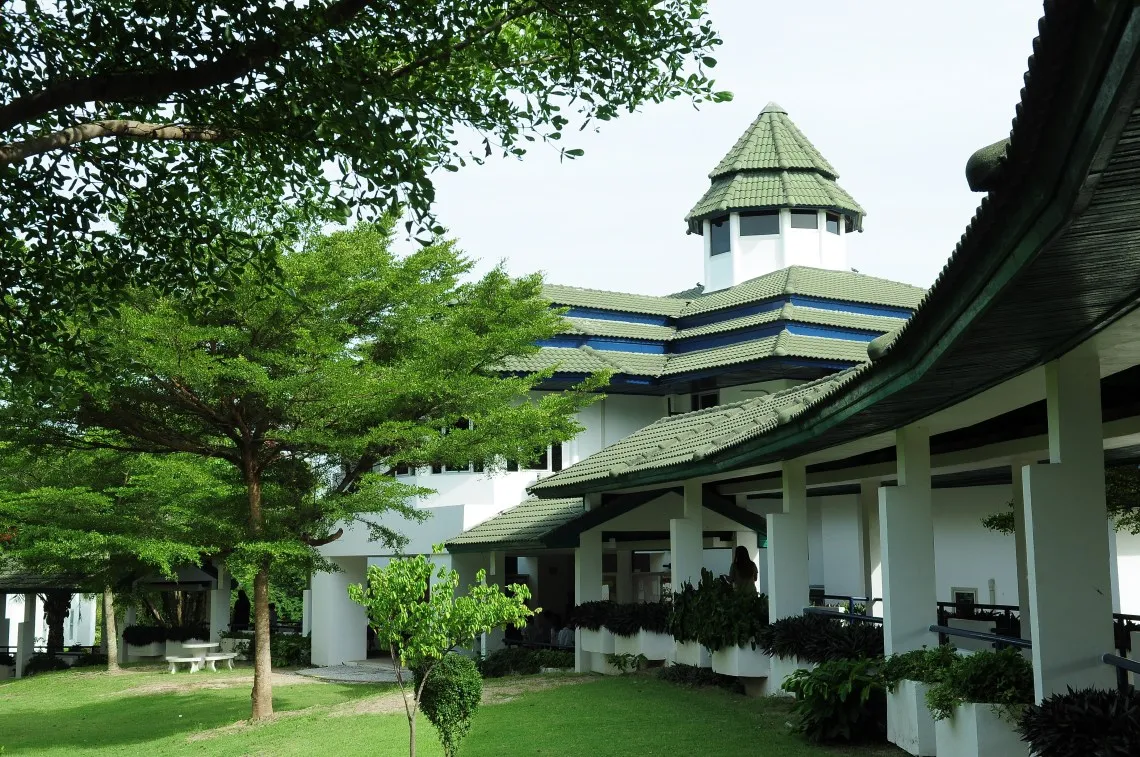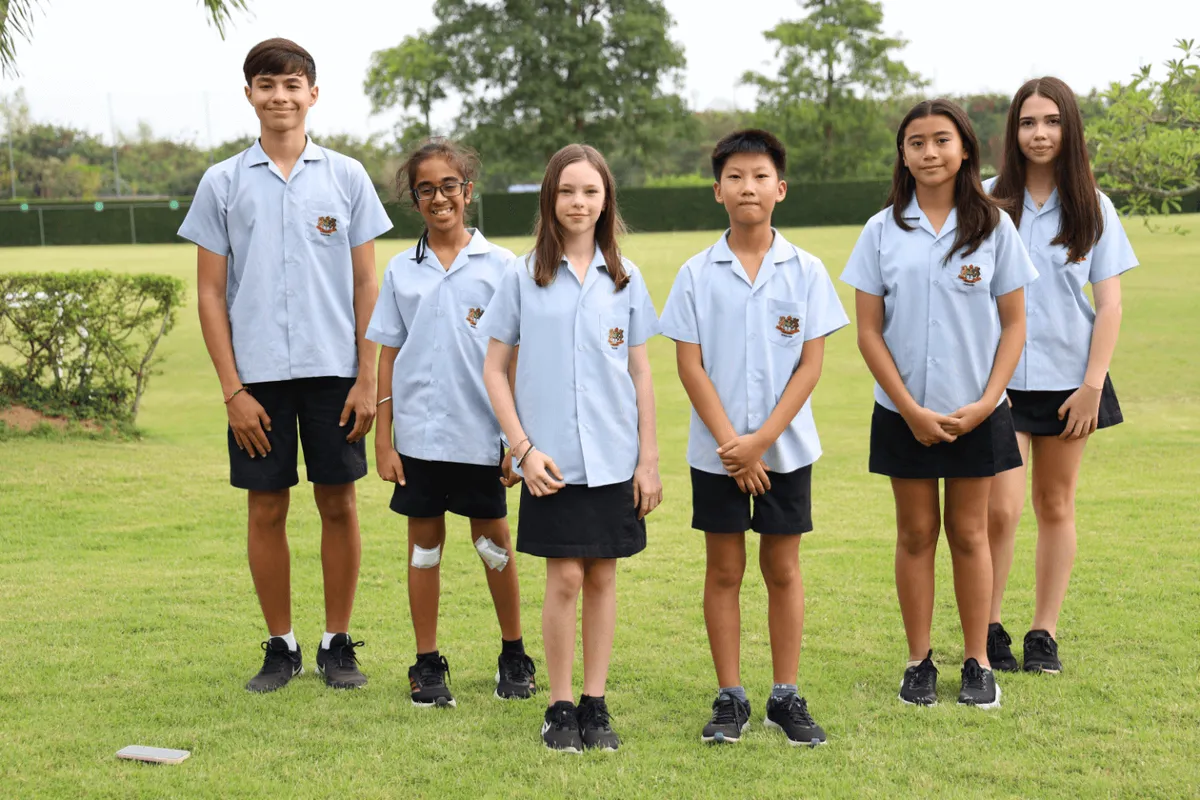
Garden International School (GIS) Rayongは、英語を主要な教授言語として、2歳から18歳までの生徒に質の高い教育を提供することに尽力する活気ある国際学校です。静かで安全な田園環境に位置するGISは、子どもたちにとって理想的な学習環境を提供しています。パタヤとラヨーンの間にある静かな町Ban Changの近くに位置し、タイ湾の美しいビーチからわずか5分の距離にあります。
GIS canteen offers a healthy, nutritious and delicious menu that helps students develop, learn and perform at their best.
GIS provides a buffet lunch, where there is a salad bar, fresh fruit, vegetarian dishes, and a variety of Western, Asian and Thai options each day.
教室
1クラスの最大生徒数
24
1クラスの平均生徒数
20
ティーチングアシスタントの配置
はい
授業でのICT活用
Laptop
オンライン授業への対応(休校時など)
はい
学校での宗教活動の有無と内容
いいえ
無宗教や他の宗教を持つ生徒への対応
We accept all religions.
生徒について
在籍生徒数
500
在籍生徒の国籍数
46
最も多い国籍
United Kingdom
国内生徒と海外生徒の割合
50%
課外活動
含まれるスポーツ活動
Football, Volleyball, Basketball, Swim
スポーツチームや競技大会への参加
はい
課外活動・クラブ活動
Gymnastics, Art Club, Thai Traditional
Plays, Football, Artificial
intelligence
coding club, Choir, Swim Team, Secret News
from the
Garden, Film Criticism
Club, Chess, Computer
Aided Design, Ror Dor Fitness, Badminton, Learn to Swim, Screenless
coding, Wool Craft Club, Development
Swim, Hip Hop Dance
Class, Basketball, MUN, Robotics, Maths
Detectives, 3D Pen Printing, Maker Club, Horse Riding, Science Club, Orchestra, Muay Thai, Learn animation
and coding, Robotech, Sailing, Volleyball, Percussion
Band, T-Ball, Film Criticism
施設
学校の施設
Library, theater, science labs, music room, drama room, art gallery
学校のスポーツ施設
Two swimming pools, adventure playground, covered all-weather pitch, large field, specially designed outdoor play areas, 2 covered courts, all-weather pitch
言語サポート
英語非ネイティブ生徒への語学サポート
English Language Support
提供している外国語授業
Thai, Spanish, Mandarin
英語ネイティブ教師の在籍
The majority of teachers are from the UK, Canada, New Zealand, Ireland or Australia, although GIS is pleased to bring the cultural diversity of 13 different nationalities to its school.
生徒サポート
特別な学習ニーズへのサポート体制
Learning Support
才能ある生徒へのサポートプログラム
Scholarship
教育心理士へのアクセス
はい
学習サポートの内容
Some students may need some assistance, guidance or support in order to better access the curriculum. At GIS this is usually done through in-class support or by withdrawal; sometimes individually or at other times in small groups. The key is that the Special Educational Needs staff, both teachers and teaching assistants, work to support students based on their individual needs to a programme developed in consultation with the parents.