Island Schoolのコミュニティは…卓越性を追求します…教えることへの情熱を通じて、学ぶことへの情熱を通じて、最善を尽くすという決意を通じて、困難に直面した時の回復力を通じて。責任を受け入れます…学びと教えに対して、言葉と行動に対して、リーダーシップに対して、地域と世界のコミュニティに対して。個性を称えます…学びへの多様なアプローチを認めることによって、教えへの多様なアプローチを認めることによって、多様性を尊重することによって、共感を大切にすることによって。
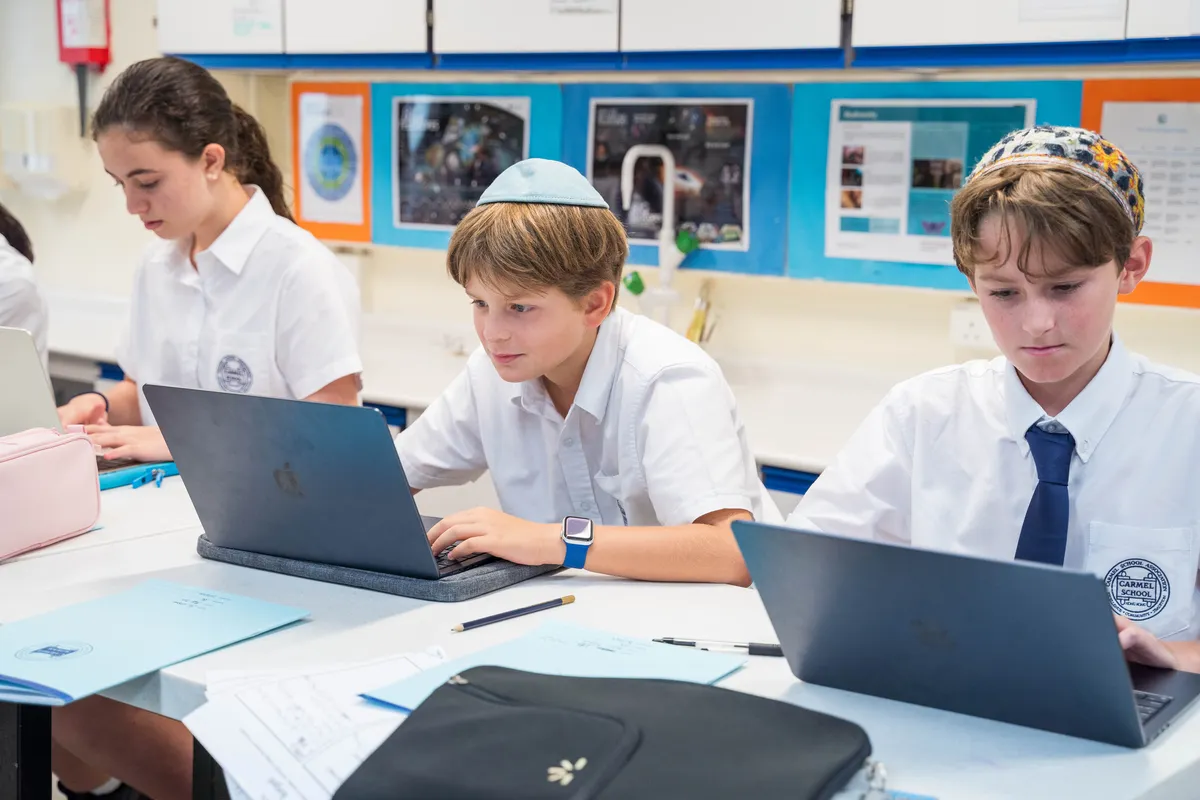
In many ways, but we have a one-to-one laptop policy which means every student has their own laptop and they use it in lessons as necessary.
生徒について
在籍生徒数
1200
在籍生徒の国籍数
47
課外活動
課外活動・クラブ活動
There are over 63 clubs, societies and teams students can choose to join
スポーツチームや競技大会への参加
Yes within school, within the foundation and against other schools
含まれるスポーツ活動
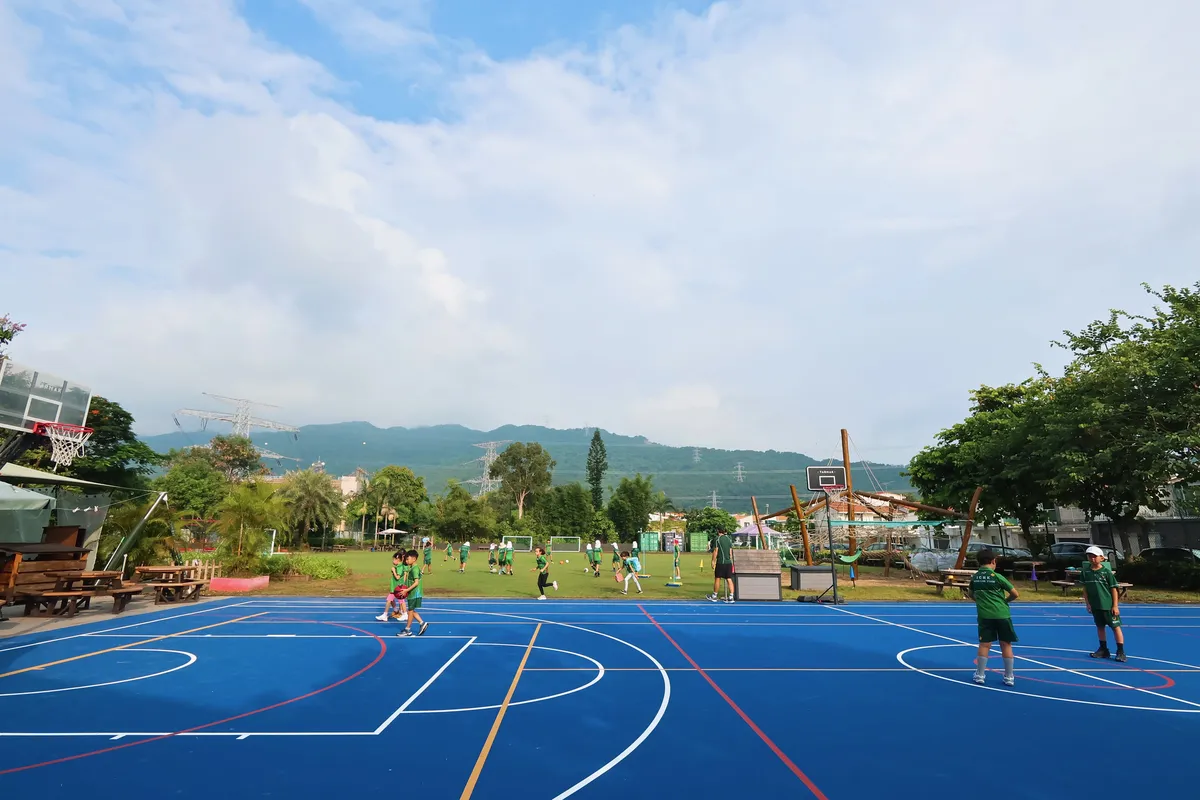
Physical activities and sports is available at all levels to all students both as part of the curriculum and with extra curricula activities
施設
学校のスポーツ施設
Playgrounds and gyms
言語サポート
英語ネイティブ教師の在籍
はい
英語非ネイティブ生徒への語学サポート
はい
提供している外国語授業
French
Spanish
Chinese
Japanese
English
生徒サポート
特別な学習ニーズへのサポート体制
はい
教育心理士へのアクセス
はい
学習サポートの内容
Individual Needs
The Individual Needs Department aims to provide all students with equal access to the curriculum and every aspect of school life, to support them so that they can achieve their full potential academically. The main focus of the department’s work is to ensure that students become as independent as possible in their learning, and less reliant on the intervention of other adults. A second major theme of the department’s work is to raise literacy standards, in particular those in writing and reading comprehension, which are crucial to long-term success.
Learning Support
Island School accepts students with a wide range of ability, some of whom have Special Educational Needs. The Individual Needs Department is responsible for identifying these students, and supporting them both directly and through collaborative work with mainstream teachers. Our approach to meeting the Special Educational Needs of our students is loosely based on the ESF wave model. Students’ Special Educational Needs are identified using information passed on from Primary schools, from school-based assessments and from concerns raised by parents, students, staff or other relevant bodies.
A range of strategies are employed, to ensure that the school meets the needs of these students. These include:
Withdrawal groups for students in Years 8 and 9 for students with literacy development needs. They are taught in place of a modern foreign language.
In both Years 7 and 8 an English support group exists, with reduced student numbers (14-20) and two teachers, to boost the progress of identified students. Every form in Years 7-8 has a fortnightly English Library lesson which is also supported by an Educational Assistant from the I.N. department.
In-class support from educational assistants in some Maths, Science, Humanities and Island Time classes.
1:1 Social Thinking sessions for students with identified difficulties with their social communication. This incorporates elements of Michelle Garcia Winner’s Social Thinking, and Zones of Regulation
The 16-week PEERS programme is also used, in the Elements programme, with students in years 9-11 with identified difficulties in their social communication.
Liaison between Individual Needs Support staff and mainstream staff (on academic and pastoral issues).
Special examination arrangements for some students at both IGCSe and IB level.
The dissemination of relevant information to staff through regular updates to the Individual Needs Register.
The provision of advice and training to staff on a variety of learning needs/strategies.
Meetings with parents to discuss intervention strategies and Student Support Plans (SSPs).
When necessary, referrals can be made to the Educational Psychologist.
When a student is identified as having Special Educational Needs his or her name is placed on the school’s Individual Needs Register in one of the following categories:
Level of Adjustment 1: subject teacher is responsible for ensuring student progress through differentiation of materials and assessments.
Level of Adjustment 2: subject teachers and Individual Needs teachers liaise to establish appropriate programs of intervention.
The school also has a specialist Learning Support Class (LSC) for students at Levels of Adjustment 3-4. From August 2016, 12 students will have designated places within this class. Entry to this class is regulated by ESF, as with all other ESF schools. Provision for students within the LSC can include many of the elements above, but goes further in offering a distinctly different programme when it is deemed to be in the student’s educational interests. This often includes elements of withdrawal, subject by subject.
The school’s Individual Needs Register is not a fixed entity – students may enter, leave or move between stages according to their particular circumstances.
才能ある生徒へのサポートプログラム
Gifted and Talented Policy
Island School policy is to provide as many opportunities as possible for ALL students to be stretched academically in different aspects of the curriculum, rather than identifying a particular cohort for these opportunities. This educational offering is provided within both the subject areas, the cross-curricular lessons and in extra-curricular programmes such as Mathematics competitions.