Yes we have 3 food outlets available for students.
制服の着用義務
Pre 16 students (Years 7-11) are required to wear a school uniform. Post 16 students (Years 12-13) do not wear a uniform.
教室
1クラスの最大生徒数
It depends on the subject.
1クラスの平均生徒数
It depends on the subject.
ティーチングアシスタントの配置
Yes.
授業でのICT活用
WIS is a 1:1 laptop school with digital literacy as part of the curriculum.
オンライン授業への対応(休校時など)
We are ready to revert to online learning as and when necessary.
生徒について
在籍生徒数
1203
最も多い国籍
British
在籍生徒の国籍数
West Island School is a community of multilingual learners who have various nationalities and cultural backgrounds. We have more than 40 nationalities of students, 47 languages spoken, and over 47 per cent of the students are bilingual or multilingual.
課外活動
課外活動・クラブ活動
Over 100 extracurricular activities are offered termly, which include Model United Nations, Hackathon Club, Fitness Club, Cricket, Yearbook Club, Chess Club, Cooking, and many more.
含まれるスポーツ活動
Swimming, football, netball, hockey, badminton, athletics, water polo, volleyball, tag rugby, basketball, cricket, rounders, dance and ultimate frisbee.
スポーツチームや競技大会への参加
Yes. Many of our students actively represent Hong Kong at national level (rugby, athletics and swimming).
施設
学校の施設
Library, Black box theatres, Food and Technology classrooms, Science labs, Design and Technology classrooms, Visual arts classrooms, Music rooms, Film classrooms, Dance room, Gym, Auditorium
学校のスポーツ施設
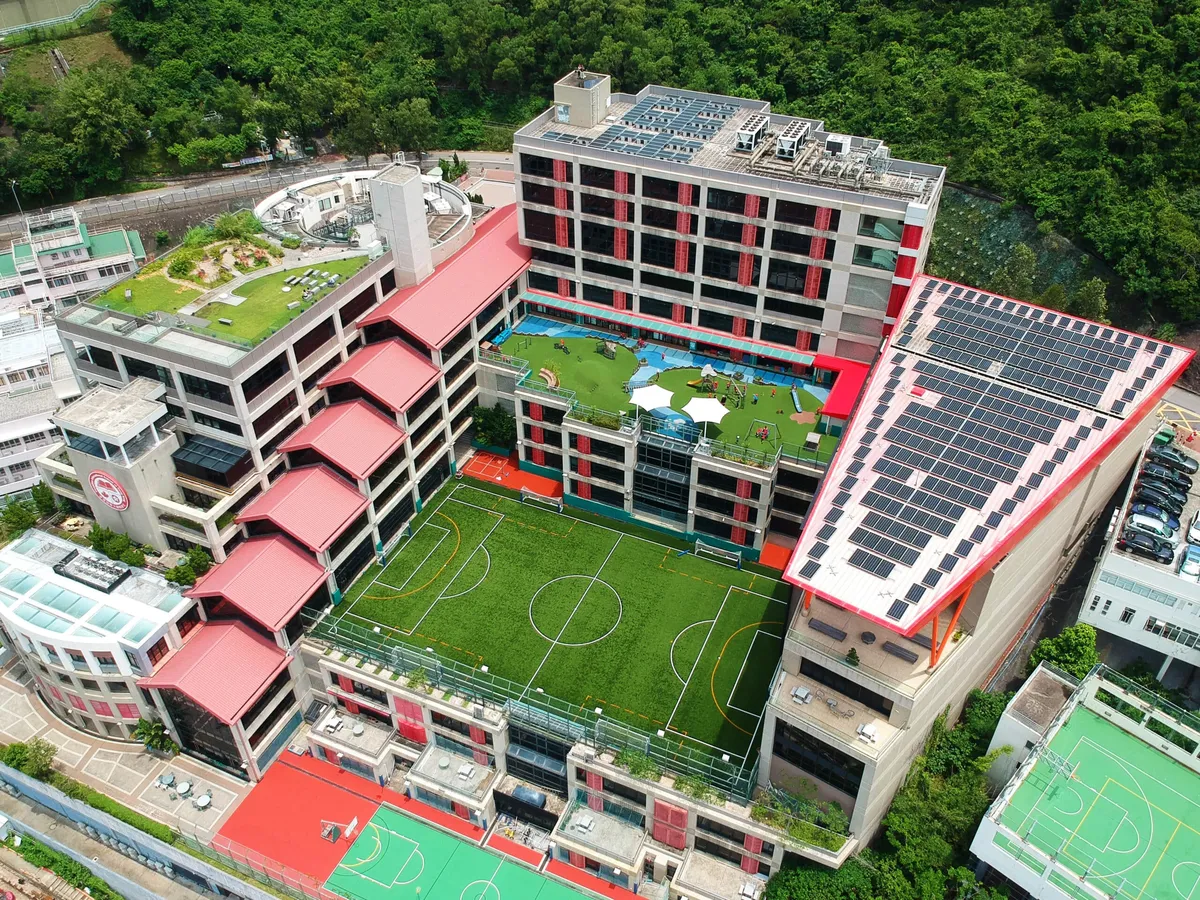
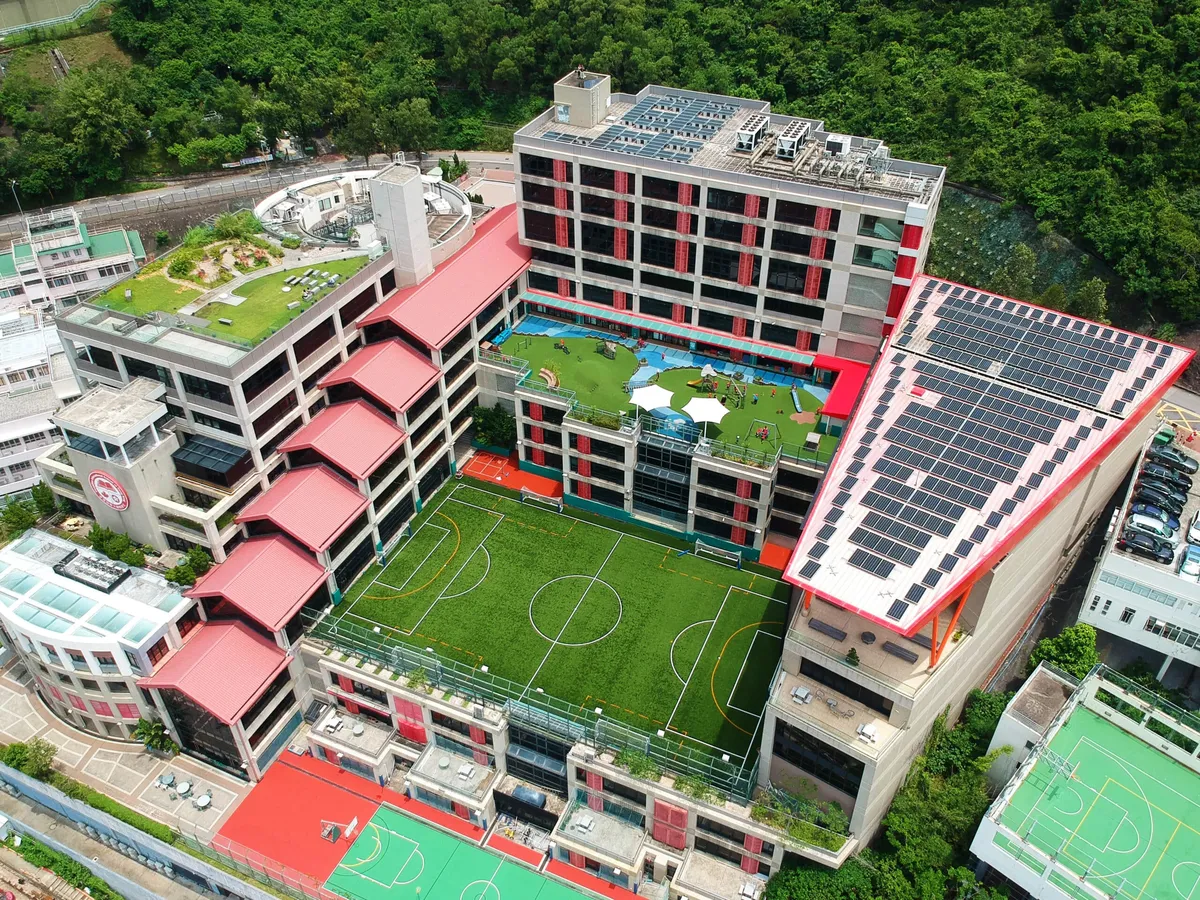
The school has two gymnasiums, outdoor courts for a range of sports and a 25 metre swimming pool . The proximity to Hong Kong University playing fields provides further sport facilities.
言語サポート
英語ネイティブ教師の在籍
Yes.
英語非ネイティブ生徒への語学サポート
Yes. English for academic purposes (EAP) is offered to students requiring additional support to develop their academic English.
提供している外国語授業
Chinese, French and Spanish.
This approach fulfills the necessary requirements and yields positive outcomes. Although there is a relatively small number of students pursuing bilingual diplomas, our language program remains comprehensive and effective.
Furthermore, we actively support students who wish to continue developing their mother tongue through self-study. Some of these provisions are made available with the assistance of the ESF Centre.
The school has successfully supported students in various mother tongues, including Dutch, German, Hebrew, Italian, Japanese, Korean, and Russian. Several of these students have completed self-study courses to obtain the IB bilingual diplomas, showcasing their proficiency and dedication.
生徒サポート
特別な学習ニーズへのサポート体制
Yes.
学習サポートの内容
The school steps away from pigeonholing students, focusing instead on a range of individual needs from moderate learning disabilities (Dyslexia, ADHD, Global Delay and Dyscalculia) to extensions for gifted students.
For students who require additional support or have more individual needs that requires higher level of adjustments, we have a timetabled support program called Strategies for School (S4S). This program is offered as an alternative to studying one of their languages or as an option during years 10 and 11 when students choose their GCSE subjects.
In cases where students have more complex needs that cannot be fully addressed within the school's framework, students can apply ESF Jockey Club Sarah Roe School. Admissions to this specialized school are guided by ESF admissions team to ensure that students receive the appropriate support and resources tailored to their specific needs.
The school strive to provide comprehensive support and accommodations to ensure that every student can be the best they can be, thrive academically and reach their full potential. There is also a learning centre for approximately 25 students requiring more intensive support either individually or in smaller groups.
才能ある生徒へのサポートプログラム
The school has a programme of approaches for students with strong ability through links to gifted education as well as a mentoring programme designed to develop students further who have a particular strength within subject domains or disciplines. Courses have also been developed in the school curriculum to extend these students further. Opportunities to work with other students of a similar ability are part of our programme for this group who are identified through a range of data.