Island School 커뮤니티는... 탁월함을 추구합니다... 교육에 대한 열정을 통해, 학습에 대한 열정을 통해, 최선을 다하겠다는 결의를 통해, 도전에 직면했을 때의 회복력을 통해. 책임을 수용합니다... 학습과 교육에 대해, 말과 행동에 대해, 리더십에 대해, 지역 및 글로벌 커뮤니티에 대해. 개성을 축하합니다... 다양한 학습 접근 방식을 인정함으로써, 다양한 교육 접근 방식을 인정함으로써, 다양성을 존중함으로써, 공감을 소중히 여김으로써.
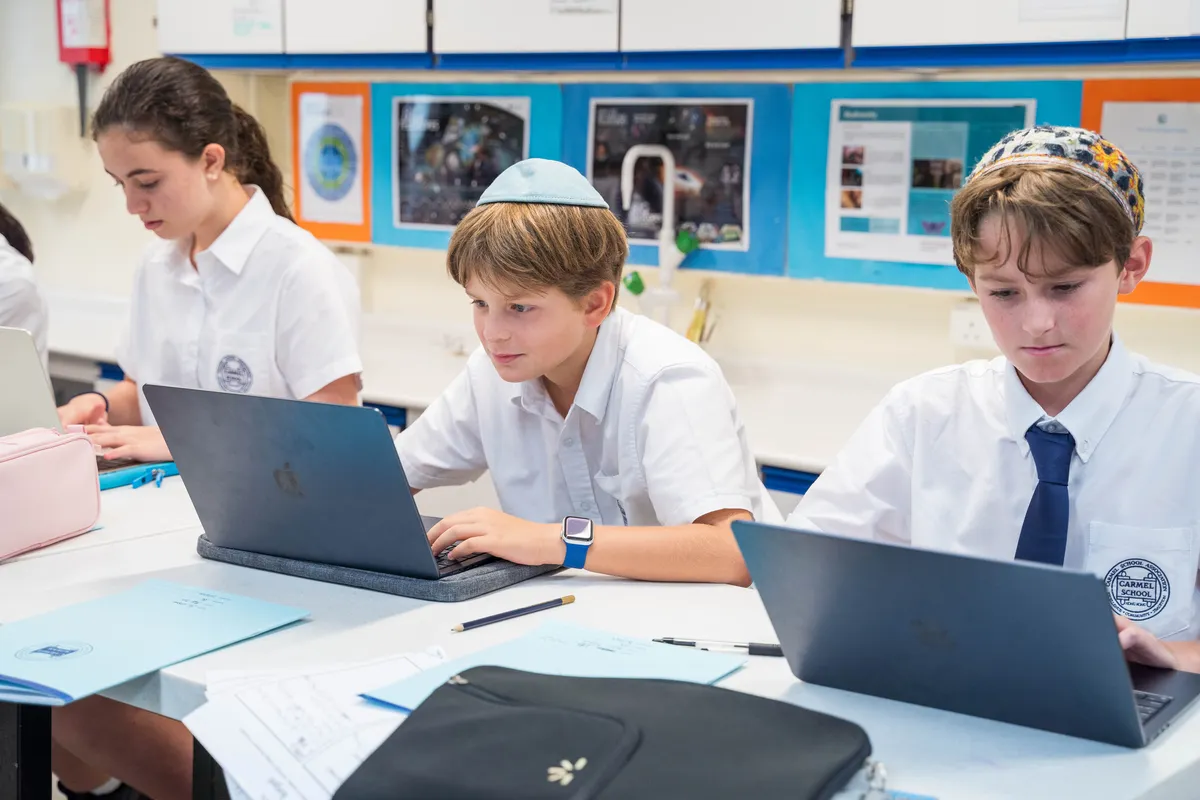
In many ways, but we have a one-to-one laptop policy which means every student has their own laptop and they use it in lessons as necessary.
학생 구성
전체 학생 수
1200
학교 내 국적 수
47
과외 활동
방과후 활동 및 동아리
There are over 63 clubs, societies and teams students can choose to join
학생을 위한 스포츠팀 또는 경기 대회
Yes within school, within the foundation and against other schools
포함된 스포츠 활동
Physical activities and sports is available at all levels to all students both as part of the curriculum and with extra curricula activities
시설
학교 스포츠 시설
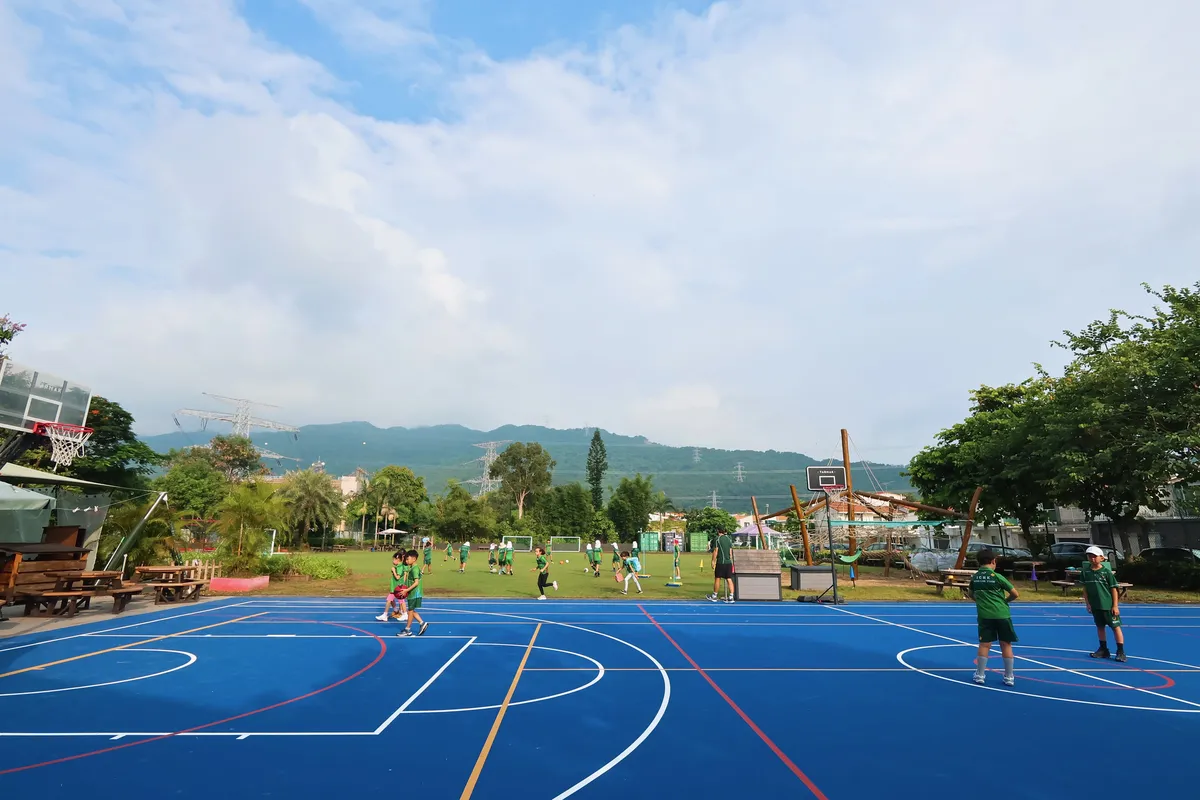
Playgrounds and gyms
언어 지원
영어 원어민 교사
예
영어가 유창하지 않은 학생을 위한 언어 지원
예
학교에서 제공하는 추가 외국어 수업
French
Spanish
Chinese
Japanese
English
학생 지원
특수 학습 요구 학생을 위한 전담 인력/프로그램
예
교육 심리사 접근 가능 여부
예
제공되는 학습 지원
Individual Needs
The Individual Needs Department aims to provide all students with equal access to the curriculum and every aspect of school life, to support them so that they can achieve their full potential academically. The main focus of the department’s work is to ensure that students become as independent as possible in their learning, and less reliant on the intervention of other adults. A second major theme of the department’s work is to raise literacy standards, in particular those in writing and reading comprehension, which are crucial to long-term success.
Learning Support
Island School accepts students with a wide range of ability, some of whom have Special Educational Needs. The Individual Needs Department is responsible for identifying these students, and supporting them both directly and through collaborative work with mainstream teachers. Our approach to meeting the Special Educational Needs of our students is loosely based on the ESF wave model. Students’ Special Educational Needs are identified using information passed on from Primary schools, from school-based assessments and from concerns raised by parents, students, staff or other relevant bodies.
A range of strategies are employed, to ensure that the school meets the needs of these students. These include:
Withdrawal groups for students in Years 8 and 9 for students with literacy development needs. They are taught in place of a modern foreign language.
In both Years 7 and 8 an English support group exists, with reduced student numbers (14-20) and two teachers, to boost the progress of identified students. Every form in Years 7-8 has a fortnightly English Library lesson which is also supported by an Educational Assistant from the I.N. department.
In-class support from educational assistants in some Maths, Science, Humanities and Island Time classes.
1:1 Social Thinking sessions for students with identified difficulties with their social communication. This incorporates elements of Michelle Garcia Winner’s Social Thinking, and Zones of Regulation
The 16-week PEERS programme is also used, in the Elements programme, with students in years 9-11 with identified difficulties in their social communication.
Liaison between Individual Needs Support staff and mainstream staff (on academic and pastoral issues).
Special examination arrangements for some students at both IGCSe and IB level.
The dissemination of relevant information to staff through regular updates to the Individual Needs Register.
The provision of advice and training to staff on a variety of learning needs/strategies.
Meetings with parents to discuss intervention strategies and Student Support Plans (SSPs).
When necessary, referrals can be made to the Educational Psychologist.
When a student is identified as having Special Educational Needs his or her name is placed on the school’s Individual Needs Register in one of the following categories:
Level of Adjustment 1: subject teacher is responsible for ensuring student progress through differentiation of materials and assessments.
Level of Adjustment 2: subject teachers and Individual Needs teachers liaise to establish appropriate programs of intervention.
The school also has a specialist Learning Support Class (LSC) for students at Levels of Adjustment 3-4. From August 2016, 12 students will have designated places within this class. Entry to this class is regulated by ESF, as with all other ESF schools. Provision for students within the LSC can include many of the elements above, but goes further in offering a distinctly different programme when it is deemed to be in the student’s educational interests. This often includes elements of withdrawal, subject by subject.
The school’s Individual Needs Register is not a fixed entity – students may enter, leave or move between stages according to their particular circumstances.
영재 및 재능 있는 학생 지원 여부
Gifted and Talented Policy
Island School policy is to provide as many opportunities as possible for ALL students to be stretched academically in different aspects of the curriculum, rather than identifying a particular cohort for these opportunities. This educational offering is provided within both the subject areas, the cross-curricular lessons and in extra-curricular programmes such as Mathematics competitions.