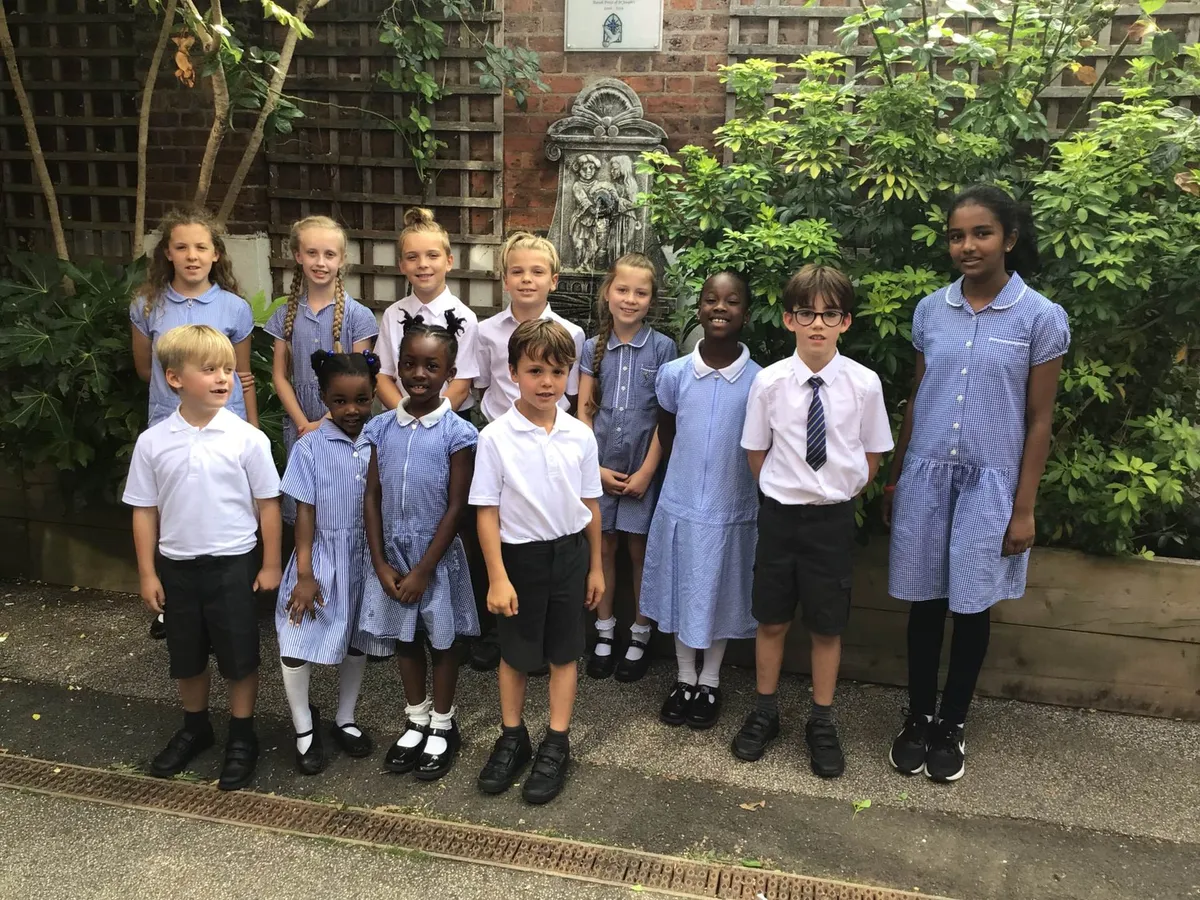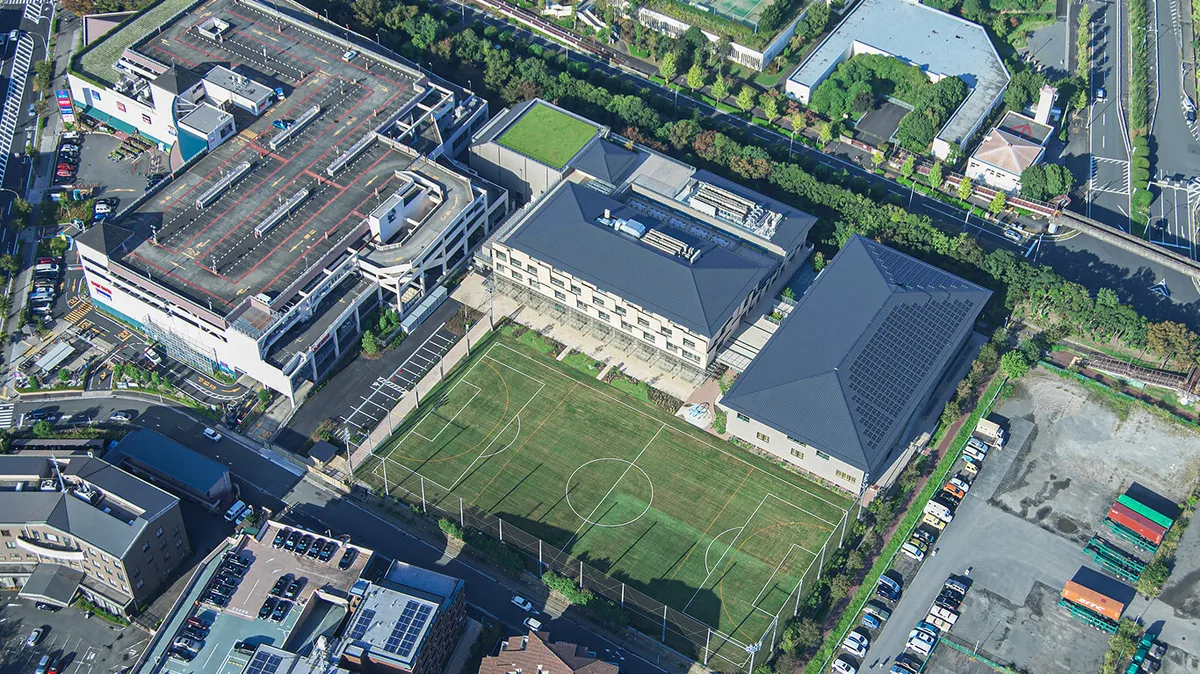
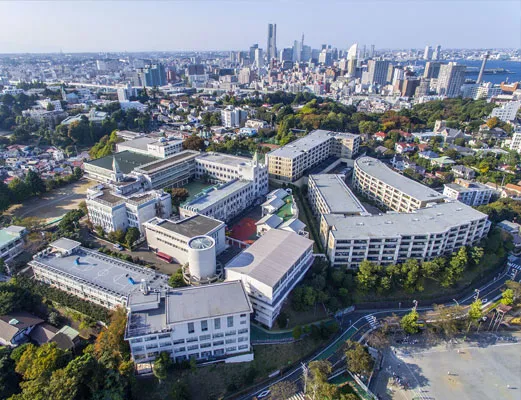
Yokohama International School은 1924년에 설립된 일본의 선도적인 국제학교로, 3세부터 18세까지의 학생에게 IB 프레임워크에 기반한 영어 커리큘럼을 제공하며, 전인적이고 학생 중심의 학습을 강조합니다.
입학 안내
입학 평가 시행 여부
YIS is a non-selective school. Exams or assessments are not conducted. However, a review of report cards, transcripts and other documents is conducted to understand the background and needs of the applicant. Should the parents or the school require further consultation about the student, such as regarding the student's level of English or any special needs support, a discussion of the topic in conjunction with the family will be conducted by the school.
대기자 명단
The presence or absence of waiting lists at different grade levels changes yearly.
입학 원서 마감일 (새 학년)
Although specific deadlines may change annually, in general residents of Japan applying to ELC must apply by the second week of April. We do not have applications deadlines for Residents of Japan applying to ES or MS, although applying by the end of March is suggested. Residents of Japan applying to HS must apply by the last week of January. Applicants residing outside Japan may enroll at any time during the school year up until May 1.
Only applicants residing outside Japan may enroll at any time during the school year up until May 1. For those considering applying to Grade 11 or 12, please contact our Admissions Department for further information.
학교 일과
방과 전후 돌봄 서비스
아니오
등교 시간
Classes start at the following times.
ELC 8:45 am
ES 8:30 am
Gr. 6 - Gr. 12 (Secondary School) 9:00 am
하교 시간
Classes end at the following times.
ELC half-day program, 12:00 pm
ELC full-day program, 2:40 pm or 2:50 pm
ES 3:00 pm
Gr. 6 - Gr. 12 (Secondary School) 4:00 pm
스쿨버스 운행 여부
YIS works with a bus service provider to offer an optional paid bus service on specified routes between Tokyo and the school, and within Yokohama to/from the school.
학교 급식 제공 여부
A cafeteria on campus provides meals and snacks for sale.
특별 식이 요구 사항 대응 (비건, 코셔, 할랄 등)
Vegetarian meals are available daily. Vegan food items are occasionally available.
교복 착용 여부
A uniform is required for Physical Education classes only.
학급
학급당 최대 학생 수
Early Learning Center, 16; Kindergarten, 18; Gr. 1, 20; grades 2-5, 22. Middle School, 22. High School, 23.
학급당 평균 학생 수
It varies on the school level, and the course in Secondary School.
교사 보조 인력 고용 여부
Teaching Assistants are used in ELC and some ES grades, and in some subjects such as Art and Design.
수업 내 기술 활용
YIS teachers have enthusiastically embraced the integrated use of technology for many years. We leverage advanced technologies and progressive teaching approaches together with responsible digital citizenship to enhance student learning, promote collaboration and facilitate the creation and sharing of knowledge locally and globally. Students and staff possess a shared recognition that students must make wise decisions about their own behavior through a sense of good citizenship and responsibility to the YIS community. Our Empowered Use Policy is a reflection of this recognition and student agency.
The school's 1:1 program provides students in Kindergarten to Grade 5 with individual iPads which they keep at school. Grade 5 students are also provided with a laptop that allows them to familiarize themselves with the device before they transition to using a laptop full-time in Secondary School. Every Middle School and High School student is provided a laptop computer with standardized software that they are able to use at home as well as at school. iPads and other forms of technology are also used in our ELC to support the Reggio Emilia-based learning program.
All classrooms and conference rooms are equipped with wide-format, internet-connected Clevertouch interactive displays for wireless connection by teachers and students.
온라인 수업 운영 준비 여부 (예: 코로나19 등 학교 휴업 시)
YIS has established a Continuous Learning Program (CLP) to be used in times of emergency when our physical campus cannot be used, such as during the State of Emergency implemented by the Japanese government during the COVID-19 pandemic. The CLP is composed of an Off-Campus and Blended Learning Model. The Off-Campus model is used during a temporary campus closure; the Blended model is used when grades alternate coming to campus for classes. Seesaw, a digital platform for sharing class/student work that is accessible by parents, is used in ES; Google Classroom is used in Secondary School. Daily video conferencing in group and private sessions and online submission and tracking of student work via our Veracross database system (used as a regular part of school operations when school is open as usual and during temporary campus closures) are the foundation the CLP. Online parent conferences are used when required.
학교에서의 종교 활동 여부 및 종류
YIS is a secular school.
학생 구성
전체 학생 수
790
학교 내 국적 수
Over 50
가장 많은 국적
Japanese (Includes dual nationality Japanese)
국내 학생 대 외국인 학생 비율
Japanese holding only Japanese passports, 22%. Foreign passports holders, 50%. Japanese dual nationality, 28%.
과외 활동
방과후 활동 및 동아리
New clubs and activities are introduced annually. Our Aquatics Program possesses a multipurpose goal of teaching students about aquatics in the curriculum and in extracurricular activities.
The list below includes some of the activities provided.
Ceramics, choir, digital illustration, drama, dance, rock school, jazz band, Koto club, knitting, Aikido, basketball, cross country, field hockey, soccer, tennis, track and field, volleyball, cross country running, soccer, gardening, library council, robotics club, ski club, student council, Dream Cambodia, LGBTQIA+ club, animal relief club, Model United Nations, service learning teams, Project Ocean scuba diving club.
포함된 스포츠 활동
Physical Education classes, including an on-site Aquatics Program, are offered throughout grade levels. The curriculum for each level caters to the development of the students in the grade offering traditional team sports, individual sports and sports leadership opportunities.
학생을 위한 스포츠팀 또는 경기 대회
Yes. The school year is divided into three sports seasons. Teams compete in Japan and overseas. Students in Secondary School have the option of participating in after-school team sports throughout the school year. Our on-site Aquatics Program provides Secondary Students the opportunity to participate in a swim team.
시설
학교 시설
Multiple hub spaces on every level of the North Building allow learning to flow into and out of the classroom freely, and provide a node of community interaction. Hubs are furnished with moveable furniture such as Yogibo bean bags, cushions, geometrically-shaped desks and a variety of chairs.
The Street, a promenade between the North and South Building, contains two 3-on-3 basketball courts and a street-side cafe with al fresco seating.
Above The Street, The Bridge, connects the two buildings in a deck style that provides an additional space for community to gather.
Our main library, with a separate amphitheater, has satellite libraries throughout the school reinforcing our commitment to making reading a central part of YIS culture.
Our 230-seat cafeteria is connected to the covered pergola, facing the sports field, with a capacity for 40 people outside. The cafeteria is equipped with audio-visual equipment and a stage for presentations, assemblies and performances.
The Chowa-an and Japanese Garden pay homage to our host culture as the home of our multifaceted Japanese Culture Program. The detached structure inspired by Japanese teahouse design, and built in collaboration with a Master of the Japanese Tea Ceremony, is a fitting venue for the appreciation of Japanese arts. The 4F deck surrounding the Chowa-an is available for collaborative work or informal gatherings.
The open ceiling, industrial design theme of the Art & Design studios crafts a professional, creative working space with a dedicated fully-equipped Maker Space with specialized work tables that allow students to work with a wide range of media. The kiln room with a new front-loading, state-of-the-art electric kiln is a highlight of our ceramics program that offers students the opportunity to gain a thorough understanding of the pottery making process.
Our state-of-the-art 411-seat auditorium is designed to support individual and group expression with a large backstage area, fully retractable electric seating, wood louver panels for enhanced acoustic properties, retractable sound blinds to adjust the sound tone, concert quality LCD lighting rigs and sound system, a lighting and audio-visual control area on the balcony level, and a theatre foyer with kitchenette facilities for receptions. A full catwalk system and an HD projector with a retractable screen renders allows this multipurpose space to be used for performances, workshops, exhibitions, exams or conferences.
Our two drama spaces, separated by a retractable soundproof dividing wall, can be combined into a large black box theater for authentic, intimate performances.
An integrated recording studio is outfitted to record audio from any of our four music rooms. A dedicated Japanese music room with tatami flooring and built-in storage space creates an ideal setting for our Japanese music students and koto ensembles to practice.
학교 스포츠 시설
In addition to a full-size artificial turf sports field designed for soccer and field hockey, students develop athletic skill and spirit through the use of our 6-lane, 25 meter indoor heated swimming pool, complete with timing touch pads; a double gym with two full size basketball courts and a spectator balcony, and a dance studio.
언어 지원
영어 원어민 교사
예
학교에서 제공하는 추가 외국어 수업
Japanese, French, Spanish, Chinese, German, Korean
영어가 유창하지 않은 학생을 위한 언어 지원
YIS' English as an Additional Language Department works with students in class and out of class to support their English language development.
학생 지원
특수 학습 요구 학생을 위한 전담 인력/프로그램
Yes, our Learning Support Department for all school levels includes professionals from the fields of speech pathology/therapy, child and education psychology, and special needs education.
제공되는 학습 지원
The Learning Support department works in collaboration with the Counselors and the English as an Additional Language (EAL) teachers to support students with mild needs in the areas of academics, behavior and social and emotional development. Learning Support services range from observations and consultation with staff and parents to a range of individualized and group instruction for students with various learning needs. Psycho-Educational and Speech and Language evaluations are available on a needs basis within the department. Applicants with mild social/emotional issues, learning difficulties or other special needs are referred to the learning support staff for evaluation during the application process. Admissions decisions are made by the relevant principal. Observations, past records and discussions with teachers and parents precede the diagnostic and speech assessments. Where necessary, parents may be requested to obtain external educational assessments in order to understand and serve student needs more effectively.