Loading...
Loading...
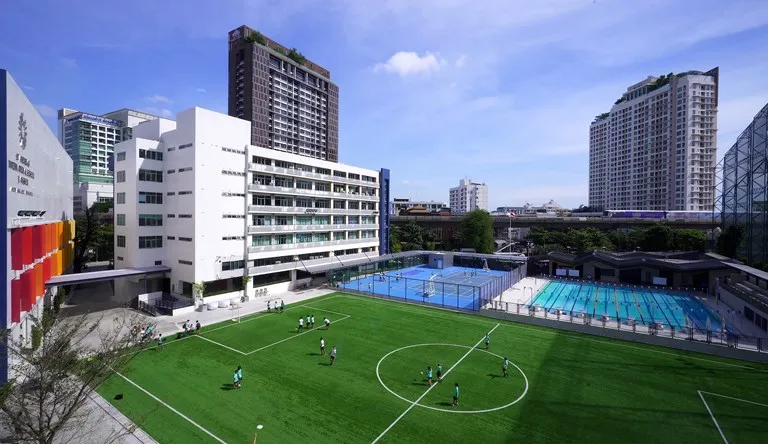
Bangkok's central business and diplomatic district with luxury condominiums. Lumpini Park provides green space. St. Andrews International School (Sathorn campus) is located here.
Monthly temperatures, rainfall, and sea conditions
Monthly family budget estimates (USD)
A modest but functional lifestyle for a family on a local-hire package. Two-bedroom condo in a mid-range building, one child in a mid-tier international school, local food with occasional dining out.
Typical dual-income expat family with a three-bedroom condo in a quality development, two children in well-regarded international schools, regular dining out, and a part-time helper.
Top-tier expat package with a luxury penthouse or large four-bedroom condo, two children at Bangkok’s most prestigious international schools, a live-in helper, private driver, and frequent travel.
Figures represent typical monthly spending for an expat family of four living in Sathorn, Bangkok. Rent assumes a furnished condominium with pool and gym. School fees are per child for a mid-tier international school (not top-tier like ISB or NIST which can exceed $30,000/year). Groceries blend local market shopping with imported items from Villa Market. All values in USD using an exchange rate of approximately 1 USD = 35 THB. Bangkok offers exceptional value at the Comfortable tier, but costs rise significantly when choosing premium housing and top-tier international schools. Domestic help is common and affordable — a full-time live-in maid/nanny costs 15,000–20,000 THB ($430–570) per month.
Average monthly AQI (US EPA scale)
Yearly average AQI is 94. Best air quality May–Nov (best: Aug at 45). Jan–Dec air quality worsens due to heat, humidity, and dust (peak: Jan at 158). Families with children who have asthma or respiratory conditions should plan indoor activities during summer months.
Sathorn attracts a cosmopolitan mix of corporate professionals, diplomats, and long-term expat families. The district hosts at least 11 foreign embassies — including Germany, Singapore, Austria, and Denmark — which anchors a permanent diplomatic community. Japanese expats form the single largest foreign group, drawn by the district’s proximity to Silom’s Japanese business corridor and restaurants along Thaniya Road. European, American, and Australian professionals round out the Western contingent, mostly working in finance, consulting, or regional headquarters based in the Sathorn-Silom CBD.
Bangkok’s flagship urban park sits on the northeast border of Sathorn, covering 142 acres of lawns, lakes, and mature trees. Mornings draw joggers on the 2.5 km perimeter loop, tai-chi practitioners, and free open-air aerobics classes that start at 5 pm daily. Paddleboats can be rented on the lake, and monitor lizards — some over a metre long — are a resident attraction.
Sathorn is one of Bangkok’s best-connected districts. BTS Chong Nonsi station sits at the heart of Sathorn Road, while BTS Surasak and Saint Louis stations serve the southern end. MRT Lumphini station at the park’s edge connects to the Blue Line, and the BTS-MRT interchange at Sala Daeng/Si Lom is a five-minute ride north. Most international schools along the Sukhumvit corridor are reachable in 15–20 minutes via BTS.
Villa Market at the Silom Complex and Tops Market at Central Silom stock imported Western products alongside Thai staples. For budget-friendly shopping, Sathorn’s smaller soi (alley) markets sell fresh produce, seafood, and street food at local prices — a complete meal from a street vendor costs 40–70 baht ($1–2). Gourmet Market in the nearby EmQuartier mall is a short BTS ride away for specialty items.
Bangkok’s hottest months push daily highs to 35–37°C with oppressive humidity above 70%. Outdoor activities are best reserved for early morning or after sunset. Most condominiums and schools are fully air-conditioned, and Bangkok’s extensive mall and BTS network means you can stay cool for most daily errands.