Loading...
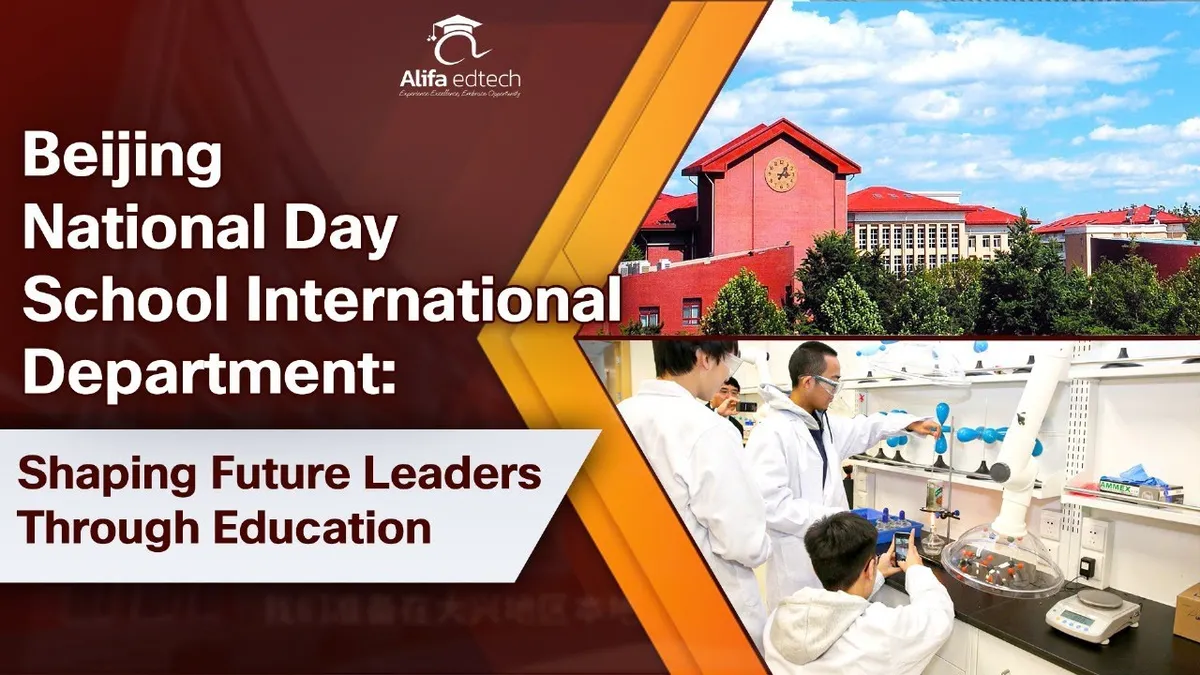
Beijing National Day School International Department
بكين, الصين
BritishIBAmerican+4
الأعمار 12–18
Loading...
حي غربي أهدأ يحظى بشعبية لدى العائلات الباحثة عن إيجارات أقل. روابط المترو المتحسنة تجعل منطقة الأعمال المركزية في متناول اليد.
درجات الحرارة الشهرية وكميات الأمطار وأحوال البحر
تقديرات الميزانية الشهرية للعائلة (USD)
عائلة وافدة تتحدث الصينية في شقة ٣ غرف نوم فسيحة، تسوق من الأسواق والمطاعم المحلية، أطفال في مدرسة صينية محلية
عائلة وافدة مستعدة للتنقل للوصول إلى مدرسة دولية من شقة كبيرة في شيجينغشان، تنقل بالمترو وديدي أحياناً، عاملة منزلية بدوام جزئي
عائلة وافدة تختار شيجينغشان للمساحة والقيمة مع إرسال الأطفال إلى مدرسة دولية في هايديان أو تشاويانغ، سيارة شركة وعاملة منزلية بدوام كامل
Shijingshan is the most affordable of the seven Beijing neighbourhoods for expatriate families, and the one least oriented toward an international lifestyle. It is chosen primarily by families seeking maximum space per yuan, those working in Shijingshan's industrial or film-studio sectors, or researchers at nearby Capital Normal University. International school access requires a commute. All figures in USD; 1 USD is approximately 7.2 CNY.
متوسط AQI الشهري (مقياس وكالة EPA الأمريكية)
متوسط AQI السنوي هو 93. جودة الهواء الأفضل من أبريل إلى أكتوبر (الأفضل: يوليو عند 55). تتراجع جودة الهواء من يناير إلى ديسمبر بسبب الحرارة والرطوبة والغبار (الذروة: ديسمبر عند 145). يُنصح الأسر التي لديها أطفال يعانون من الربو أو أمراض تنفسية بتخطيط أنشطة داخلية خلال أشهر الصيف.
تُعدّ Shijingshan الأقل توجهاً دولياً بين أحياء بكين السبعة المفضلة للوافدين، والأكثر أصالة في طابعها الصيني. بُني الحي حول مجمع Shougang (فولاذ العاصمة) — أحد أكبر مصانع الصلب في الصين — الذي هيمن على اقتصاد المنطقة وهويتها لعقود قبل إغلاقه ونقله استعداداً لأولمبياد 2008. أضاف التحول ما بعد الصناعي لموقع Shougang إلى حديقة ثقافية وإبداعية (استضافت منشآت الألعاب الأولمبية الشتوية 2022) بُعداً جديداً لهوية الحي، لكن النسيج السكني الأوسع يظل صينياً محلياً بعمق.
تُعدّ حديقة Shougang (فولاذ العاصمة) أبرز معلم ترفيهي وثقافي في Shijingshan. يوفر الحرم الصناعي الشاسع — بأفرانه العالية المحفوظة وأبراج التبريد ومباني المصانع إلى جانب المناظر الطبيعية الجديدة — بيئة للمشي وركوب الدراجات لا مثيل لها في بكين. يقف منحدر القفز الأولمبي 2022 (Big Air Shougang) كمعلم بارز يُرى من جميع أنحاء الحديقة. تنتشر الأسواق الأسبوعية وعروض السينما في الهواء الطلق والمنشآت الفنية في الحرم على مدار العام.
القيد الرئيسي لـ Shijingshan بالنسبة لعائلات الوافدين هو بُعدها عن الأحياء الشرقية حيث تتركز معظم المدارس الدولية والمستشفيات ومرافق الوافدين. يبعد حي الأعمال المركزي (Guomao) مسافة 25-35 كم شرقاً — أي 50-70 دقيقة بالمترو أو 40-60 دقيقة بالسيارة عكس حركة المرور. هذا يجعله تنقلاً يومياً مقبولاً للأفراد المتحمسين لكنه تحدٍ لوجستي للعائلات التي لديها أطفال في سن المدرسة في مدارس Chaoyang الدولية.
تقدم Shijingshan الحياة في بكين بأكثر صورها أصالة — أسواق الصباح الرطبة بمنتجاتها الطازجة الاستثنائية، ومطاعم البط والنودلز التي تخدم أجيالاً من العائلات المحلية، وصالونات الحلاقة البسيطة، والصيدليات الصغيرة، وإيقاعات الحياة غير المتسرعة لحي بكين العمالي. غياب المتاجر الكبرى الموجهة للوافدين يعني أن العائلات تحتاج مهارات في لغة الماندرين أو إجادة استخدام Taobao للتسوق المتخصص. تقوم JD.com وTaobao بتوصيل أي شيء تقريباً إلى عناوين Shijingshan خلال 24-48 ساعة.
تستفيد Shijingshan بشكل هامشي من موقعها الغربي — تُوجّه السلاسل الجبلية شمال الغرب هواءً أنظف عبر الحي بشكل أكثر تكراراً مما في السهول الشرقية، والتلوث من المناطق الصناعية في Hebei له مسار أطول للوصول إلى الأحياء الغربية. وثّق مسؤولو جودة الهواء في بكين أن الأحياء الغربية تسجل باستمرار مستويات PM2.5 أقل قليلاً من Chaoyang وShunyi خلال أسوأ أحداث التلوث. الفرق حقيقي لكنه ليس كبيراً — الشتاء لا يزال صعباً.