Loading...

Branksome Hall Asia
Jeju, Südkorea
IBInternational BaccalaureateIB PYP+1
Alter 3–18
Loading...
Südkorea
Jeju-Insel, Südkoreas tropisches Paradies, bietet Expatfamilien einen einzigartigen Insellebensstil mit ausgezeichneter Luftqualität, atemberaubender Naturschönheit und einem entspannten Lebenstempo. Bekannt für ihre Vulkanlandschaften, schönen Strände und UNESCO-Welterbestätten bietet Jeju ein hervorragendes Umfeld für die Kindererziehung. Die Insel verfügt über einige internationale Schulen, wenn auch weniger als in Seoul oder Busan. Die lokale Kultur ist Ausländern gegenüber aufgeschlossen, und der Sonderstatus als autonome Provinz macht die Visaanforderungen flexibler. Die Gesundheitsversorgung ist durch das koreanische Nationalsystem ausgezeichnet. Das Klima ist milder als auf dem Festland mit deutlichen Jahreszeiten. Allerdings sind Jobmöglichkeiten außerhalb von Tourismus und Bildung begrenzt, und die Expatgemeinschaft ist relativ klein. Sprachbarrieren können außerhalb touristischer Gebiete erheblich sein.
Monatliche Temperaturen, Niederschlag und Meeresbedingungen
Monatliche Familienbudget-Schätzungen (USD)
2-Zimmer-Wohnung in Jeju City oder Seogwipo, lokale koreanische Schule oder erschwingliche internationale Option, Auto (auf Jeju unbedingt erforderlich), koreanisches Heimkochen und lokale Restaurants.
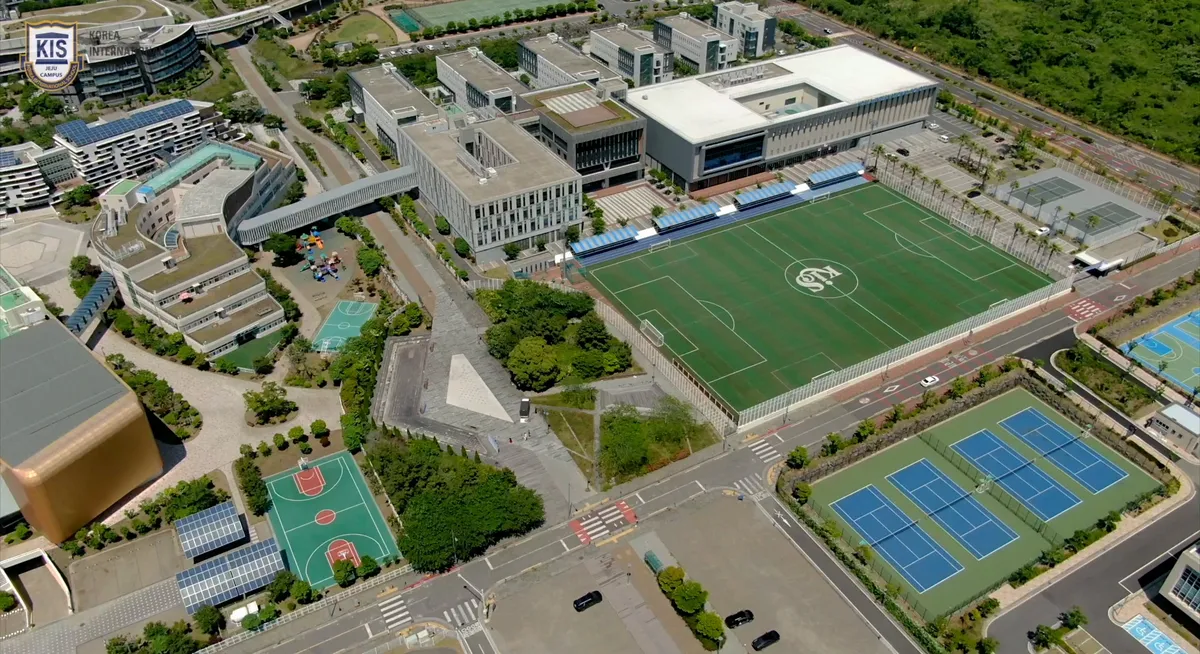
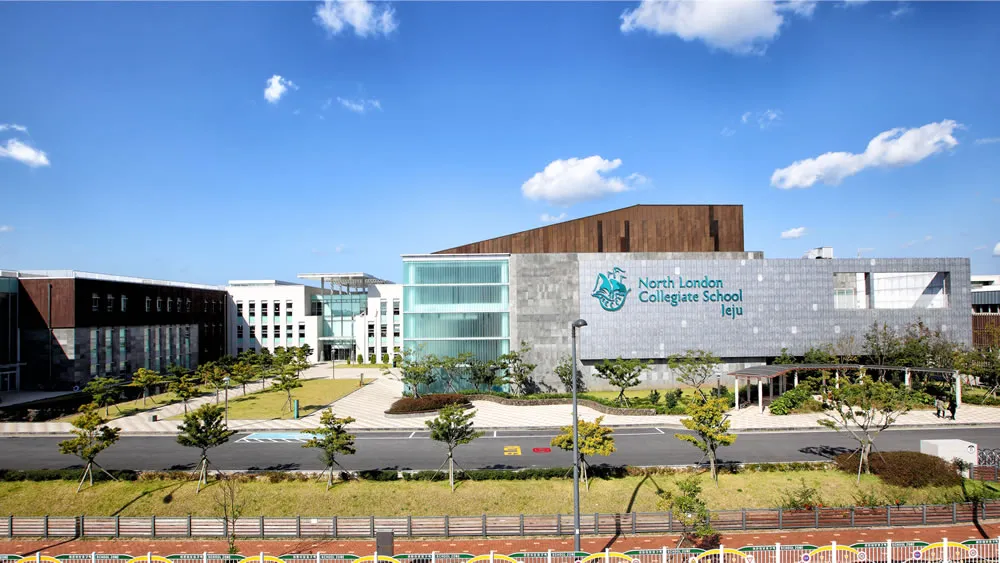
Moderne Wohnung oder kleines Haus nahe Jeju Global Education City, renommierte Internationalschule (NLCS Jeju, BHA oder SJA Jeju), gutes Auto, regelmäßige Restaurantbesuche, Wochenend-Wanderungen und Strandaktivitäten.
Luxusvilla oder Meeresblick-Immobilie in Jungmun oder Hallim, beste internationale Schule, zwei Autos, Golf-Mitgliedschaften, Premium-Gesundheitsversorgung, häufige Reisen nach Seoul und ins Ausland.
Jeju has become an increasingly popular destination for Korean families seeking a slower pace and for international school access (Jeju Global Education City). At current exchange rates (~1,350 KRW to 1 USD), it is more affordable than Seoul but costs have risen with the island's growing popularity. Some imported goods carry a premium due to island logistics.
Durchschnittlicher monatlicher AQI (US EPA-Skala)
Der jährliche Durchschnitts-AQI beträgt 47. Beste Luftqualität Jan–Dez (Bestwert: Aug mit 32).