Loading...
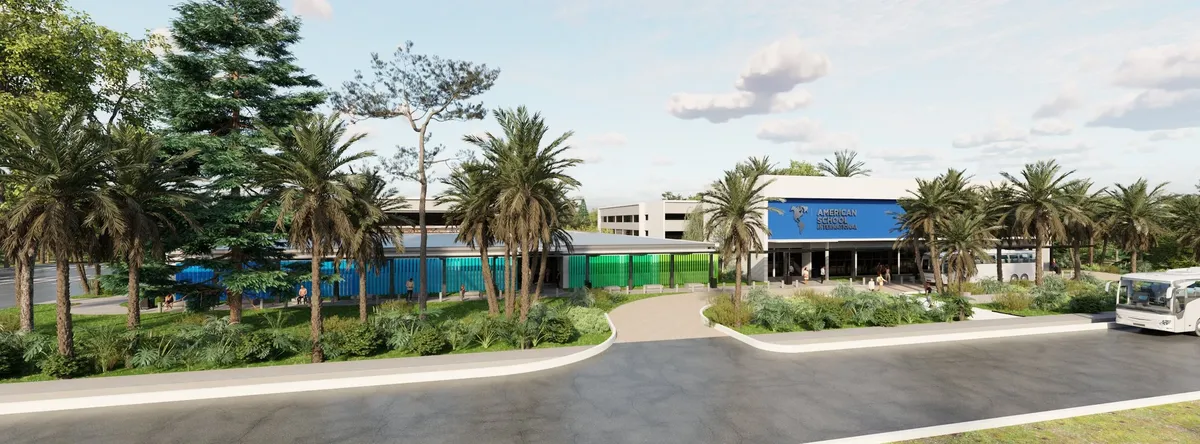
American School International
Panama City, Panama
American
Loading...
Panama
Panama City allie équipements urbains modernes, climat tropical et emplacement stratégique reliant l'Amérique du Nord et du Sud. La ville accueille de nombreuses écoles internationales et une communauté expatriée croissante attirée par les opportunités d'affaires et l'utilisation du dollar américain. Les quartiers modernes comme Punta Pacifica offrent des logements en hauteur, tandis que les zones établies proposent des options plus traditionnelles. L'histoire de la Zone du Canal crée une familiarité avec les résidents internationaux. Les soins de santé sont bons dans les établissements privés et l'anglais est largement parlé dans le contexte professionnel. Les embouteillages et les inégalités de revenus présentent des défis, mais l'économie stable, les politiques fiscales favorables et le climat chaud toute l'année attirent les familles expatriées cherchant une porte d'entrée vers l'Amérique latine.
Températures mensuelles, précipitations et conditions maritimes
Estimations mensuelles du budget familial (USD)
Appartement à San Francisco, Via España ou El Cangrejo, courses au supermarché local, métro et bus, école bilingue ou internationale de gamme moyenne.
Appartement moderne à Punta Pacifica, Costa del Este ou Clayton, école internationale réputée, voiture, sorties régulières au restaurant, salle de sport et piscine, escapades week-end à la plage.
Appartement de luxe dans une tour de Punta Pacifica ou maison à Clayton/Albrook, meilleure école internationale (ISP/Balboa Academy), SUV, gastronomie raffinée, country/yacht club, voyages internationaux fréquents.
Estimates for a family of four in Panama City. Rent assumes a 2–3 bedroom apartment. School fees reflect one child at an international school. Domestic help is a full-time live-out housekeeper (common and affordable). All figures in USD — Panama uses the US dollar as legal tender alongside the Balboa. Panama City is moderately priced by Latin American capital standards, with a wide spread between expat-oriented and local spending.
IQA mensuel moyen (échelle US EPA)
L'IQA annuel moyen est de 46. Meilleure qualité de l'air de janv. à déc. (meilleur : juil. avec 40).
Quartiers prisés par les familles d'écoles internationales à Panama City