فالنسيا هي سر إسبانيا المكشوف. مدريد لديها الانتقالات المؤسسية، وبرشلونة لديها الشهرة العالمية، لكن فالنسيا — ثالث أكبر مدن إسبانيا، المطلة على البحر الأبيض المتوسط بـ 300 يوم مشمس، وتكلفة معيشة تجعل المدينتين الأخريين تبدوان باذختين، وجودة حياة تتصدر باستمرار التصنيفات الأوروبية — هي حيث يختار عدد متزايد من العائلات المغتربة بهدوء أن يحطوا. وسوق المدارس الدولية يلحق بالركب.
مع 32 مدرسة دولية تمتد عبر مناهج بريطانية وبكالوريا دولية وأمريكية وفرنسية وألمانية ومونتيسوري وإسبانية، سوق فالنسيا أصغر من 75 مدرسة في مدريد أو 51 في برشلونة. لكن أصغر لا يعني أقل. ما تقدمه فالنسيا مجموعة مركزة وقابلة للتنقل من مدارس جيدة حقاً — كثير منها برسوم تكاد لا تغطي نصف عام في مكافئاتها في مدريد — في مدينة يمكن للعائلات فيها العيش على مسافة ركوب دراجة من الشاطئ والمدينة القديمة وباب المدرسة في آن واحد.
هناك شيء واحد تحتاج فهمه قبل أن تبدأ زيارة الحرم: فالنسيا ليست مجرد "إسبانيا". إنها مجتمع بلنسية، بلغته الرسمية المشتركة — الفالنسية (قريبة من الكاتالانية، ومشحونة سياسياً بحد ذاتها). هذا ليس حاشية. إنه يشكل النظام المدرسي ومحادثات ساحة اللعب وحسابات الاندماج لعائلتك بطرق لا تطرحها مدريد ببساطة. إذا قرأت دليل برشلونة، ديناميكية ثنائية اللغة ستبدو مألوفة — لكن فالنسيا تتعامل معها بشكل مختلف، بأقل حدة سياسية وأكثر ثنائية لغوية عملية.
إليك ما تحتاج معرفته.
استكشف جميع مدارس فالنسيا الدولية الـ 32 على Scholae للتصفية حسب المنهج ونطاق الرسوم والفئة العمرية.
المشهد الدراسي: هيمنة بريطانية مع صعود البكالوريا الدولية
مدارس فالنسيا الـ 32 تقدم 16 برنامجاً منهجياً مختلفاً، لكن القصة الحقيقية مباشرة: هذه مدينة منهج بريطاني مع تيار قوي من البكالوريا الدولية وبدائل مثيرة على الهوامش.
المنهج البريطاني
أربع عشرة من مدارس فالنسيا الـ 32 تقدم شكلاً من أشكال المنهج البريطاني — ما يقرب من نصف السوق. هذا إرث عقود من استقرار المغتربين البريطانيين على كوستا بلانكا وكوستا ديل أزاهار، معززاً بشبكة اعتماد NABSS (الجمعية الوطنية للمدارس البريطانية في إسبانيا) التي تمنح الآباء معياراً جودة معروفاً.
كاكستون كوليج هي الرائدة. تأسست 1987 في بوكول (شمال مدينة فالنسيا)، تسجل 1,650 طالباً بمتوسط حجم فصل 20. المنهج الوطني البريطاني طوال المراحل، معتمدة من NABSS ومفتشة من BSO (مدارس بريطانية فيما وراء البحار) — مما يعني أنها تلبي معايير التعليم الحكومية البريطانية. شعار المدرسة "Honeste Vivere"، والمؤسسة لها العمق والحجم الذي يأتي من ما يقرب من أربعة عقود من العمل المتواصل. التعليم بالإنجليزية والإسبانية. للعائلات التي تريد مدرسة بريطانية كبيرة وراسخة بسجل حافل، كاكستون هي الزيارة الأولى الافتراضية.
مدرسة كامبريدج هاوس البريطانية الدولية تطابق كاكستون في الحجم: 1,660 طالباً، تأسست 1986، تقع في روكافورت (الضاحية الغنية غرب المدينة). منهج بريطاني عبر IGCSE وA-Levels، معتمدة من NABSS. لغات التعليم هي الإنجليزية والإسبانية، مع الفرنسية والألمانية والإيطالية متاحة مع تقدم الطلاب. المدرسة تتبع صراحة المنهج الوطني الإنجليزي مع تلبية متطلبات الحكومة الفالنسية — امتثال مزدوج مهم إذا كنت قد تنقل طفلك لاحقاً للنظام الإسباني. أحجام الفصول في المتوسط 28، وهو أكبر من معظم المنافسين ويستحق السؤال عنه خلال زيارتك.
المدرسة البريطانية في فالنسيا تقع في مركز المدينة نفسه — أفينغودا دي بيريس إي فاليرو — نادر لمدرسة دولية في فالنسيا حيث معظم الحرم في الحزام الضاحوي. تأسست 1992، منهج بريطاني عبر A-Levels، عضو NABSS. الموقع الحضري تمايز حقيقي: إذا كنت تعيش في إيشامبلي أو المدينة القديمة، طفلك يستطيع المشي أو ركوب الدراجة إلى المدرسة بدل الجلوس في حافلة إلى باتيرنا أو بوكول.
بريتش كوليج لا كانيادا تستحق الانتباه لسبب واحد فوق كل شيء: شفافية التسعير. تأسست 2008 في لا كانيادا (باتيرنا)، تنشر رسومها بوضوح — 5,750 يورو للسنوات المبكرة ترتفع إلى 7,560 يورو للسنوات العليا (6,280-8,250 دولار أمريكي). منهج بريطاني عبر IGCSE وA-Levels، معتمدة من NABSS ومفتشة من BSO. في سوق حيث كثير من المدارس تجعلك تستفسر لمعرفة التكلفة، انفتاح بريتش كوليج لا كانيادا منعش، والرسوم نفسها ميسورة بشكل لافت.
مدرسة إنتريناران خوس الدولية، تأسست 1974 في ريبا-روخا دي توريا، واحدة من أقدم المدارس الدولية في فالنسيا. مناهج بريطانية وإسبانية، أحجام فصول 18، في محيط أخضر تؤكد المدرسة على أنه محوري في نهجها التعليمي. أحجام الفصول الأصغر والسمعة الراسخة تجعلها خياراً متيناً للفئة المتوسطة في الضواحي الغربية.
البكالوريا الدولية (IB)
سبع مدارس تقدم برامج البكالوريا الدولية، والمتميز واضح.
المدرسة الأمريكية في فالنسيا (ASV) هي مدرسة البكالوريا الدولية الأولى في المدينة. تأسست 1980 في حي لوس موناستيريوس في بوكول، تسجل 950 طالباً مع البكالوريا الدولية والمنهج الأمريكي يعملان بالتوازي. متوسط دبلوم البكالوريا الدولية لعام 2025 بلغ 33.8 نقطة عبر 40 مرشحاً — أعلى بكثير من المعيار العالمي البالغ 30.5. أحجام فصول في المتوسط 25. القبول يتطلب اختبار دخول ونتائج MAP وثلاث سنوات من السجلات الأكاديمية. قبول مستمر لكن قدم مبكراً للمراحل الشائعة.
مدرسة ماس كامارينا الدولية أكبر مدرسة في فالنسيا من حيث العدد: 2,500 طالب، تأسست 1997 في بيتيرا. تقدم السلسلة الكاملة للبكالوريا الدولية — PYP وMYP والدبلوم — إلى جانب المنهج الوطني الإسباني، مما يجعلها واحدة من المدارس القليلة في فالنسيا حيث يمكن للعائلات الاختيار بين مسارات البكالوريا الدولية والبكالوريا الإسبانية عند سن 16. متوسط دبلوم البكالوريا الدولية لعام 2024 بلغ 35.0 نقطة — استثنائي. أحجام فصول 21، تعليم بالإنجليزية والإسبانية والفرنسية والألمانية والفالنسية. مُعيَّنة حديثاً كمدرسة Apple المميزة (واحدة من ست في إسبانيا)، مع أجهزة iPad وألواح ذكية مدمجة من السنوات المبكرة. الحجم نقطة قوة وتحفظ: 2,500 طالب يعني حرماً مزدحماً وغنياً بالموارد، لكن العائلات الباحثة عن الحميمية يجب أن تنظر في مكان آخر.
مدرسة إل بلانتيو الدولية، تأسست 1982 في لا كانيادا (باتيرنا)، تخيط إبرة مميزة: المنهج الوطني البريطاني عبر الثانوية، ثم دبلوم البكالوريا الدولية في مستوى ما قبل الجامعة. هذا الهجين يمنح الطلاب التقدم المنظم للنظام البريطاني مع شهادة البكالوريا الدولية المعترف بها عالمياً في النهاية. معتمدة من NABSS.
مدرسة شاكلتون الدولية، تأسست 2012 في بورخاسوت، تجمع أيضاً المنهج البريطاني مع البكالوريا الدولية. أصغر وأحدث من اللاعبين الراسخين، شاكلتون تمثل الموجة الأحدث من مدارس فالنسيا الدولية. عملية القبول بأربع خطوات — زيارة معلوماتية واختبار دخول ويوم تجريبي وفحوص حماية — تشير إلى مدرسة تأخذ التوافق بجدية.
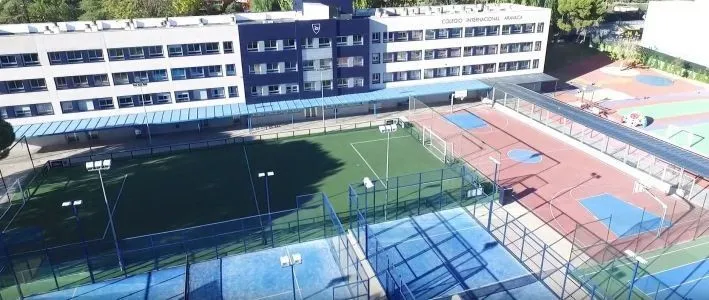
كوليخيو إنترناسيونال أوسياس مارتش، تأسس 1972 في بيكاسينت، هو الهجين المخضرم بين البكالوريا الدولية والإسباني. مع 894 طالباً وأحجام فصول 20، يقدم البكالوريا الدولية إلى جانب المنهج الإسباني. المدرسة سميت على اسم الشاعر الفالنسي من العصور الوسطى — مرتكز ثقافي لطيف — وموقعها في بيكاسينت جنوب المدينة يخدم العائلات في ذلك الممر التي لا تريد التنقل شمالاً إلى بوكول أو غرباً إلى باتيرنا.
مدرسة إيالي الدولية في لييليانا، تأسست 1967، كانت أول مدرسة حضانة وابتدائي ثنائية اللغة في فالنسيا تتلقى الترخيص الوطني. مناهج بكالوريا دولية وإسبانية، أحجام فصول 18، بتعليم بالإنجليزية والإسبانية والماندرين والفرنسية والألمانية — عرض لغوي واسع بشكل غير عادي. موقع لييليانا يضعها في الحزام الضاحوي الراقي شمال غرب المدينة.
المنهج الإسباني والفالنسي
عدة مدارس تمزج النهجين الدولي والإسباني، وهنا يصبح بُعد اللغة الفالنسية ذا صلة. بموجب القانون الإقليمي الفالنسي، اللغة الرسمية المشتركة (الفالنسية) يجب أن تكون جزءاً من المنهج في المدارس المعتمدة محلياً. المدارس الدولية العاملة تحت اعتماد NABSS أو البكالوريا الدولية معفاة إلى حد كبير، لكن المدارس التي تقدم البكالوريا الإسبانية ضمن النظام الفالنسي ستشمل تعليم الفالنسية.
للعائلات المقيمة على المدى الطويل، هذا مكسب. الفالنسية تفتح أبواباً اجتماعية في المجتمع، وبخلاف الكاتالانية في برشلونة — حيث يمكن أن تبدو السياسة اللغوية حادة — ثنائية لغوية فالنسيا تميل لأن تكون أكثر استرخاءً. معظم الفالنسيين ينتقلون بسلاسة بين الفالنسية والقشتالية الإسبانية، وهناك شحنة سياسية أقل حول أي لغة تتحدث. طفلك يلتقط الفالنسية إلى جانب الإسبانية والإنجليزية مكسب وليس عبء.
مدارس مثل كمبريس سكول فالنسيا (بريطاني، كاثوليكي، إسباني، أعمار 1-18) ومدرسة غوادالافيار (بريطاني، كاثوليكي، إسباني، أعمار 3-18) تعمل عند تقاطع المنهجين البريطاني والإسباني بروح إيمانية. مدرسة خوليو فيرن ومدرسة لا ديفيسا كارليت تقدمان برامج ثنائية اللغة بريطانية-إسبانية خارج مركز المدينة.
الفرنسي والألماني والمناهج البديلة
ليسيه فرانسيه دي فالانس، في باتيرنا، يخدم مجتمع فالنسيا الفرنسي بالبكالوريا الفرنسية. نسبة النجاح لعام 2024 كانت 99% مقابل متوسط شبكة AEFE البالغ 96.7% — نتائج ممتازة. والرسوم استثنائية: 889-1,112 يورو سنوياً (نحو 970-1,210 دولار أمريكي). هذا ليس خطأ مطبعياً. المدارس المدعومة من الحكومة الفرنسية من بين أفضل خيارات التعليم الدولي قيمةً في أي مكان في العالم، وفالنسيا ليست استثناءً. إذا كانت عائلتك تتحدث الفرنسية أو تريد أن يتعلمها طفلك، هذه المدرسة تقدم تعليماً نخبوياً بجزء من تكلفة أي بديل بريطاني أو بكالوريا دولية.
المدرسة الألمانية فالنسيا، في شارع خايمي رويج في مركز المدينة، تقدم المنهج الألماني عبر الأبيتور. تعليم بالألمانية والإسبانية. مثل نظيرتها في برشلونة (تأسست 1894)، تخدم بشكل أساسي المجتمع الناطق بالألمانية، لكن الأبيتور معترف به دولياً للقبول الجامعي عبر أوروبا.
فالنسيا لديها أيضاً حضور مونتيسوري قوي بشكل غير عادي. مدرسة إيماجين مونتيسوري (332 طالباً، هجين بريطاني-مونتيسوري، أعمار 2-18، باتيرنا)، ومدرسة فالنسيا مونتيسوري (أمريكي-مونتيسوري، أعمار 1-13، رسوم 8,940-10,820 يورو / 9,828-11,898 دولار)، ومدرسة ماموولينا مونتيسوري الدولية (بريطاني-مونتيسوري-فرنسي، أعمار 3-12، رسوم 5,880-6,420 يورو / 6,467-7,065 دولار)، وسيكوند بودي مونتيسوري (أعمار 6-14) تمنح العائلات التي تسعى لتربية بديلة خيارات أكثر مما توفره معظم المدن الإسبانية.
الرسوم: ميزة فالنسيا
هنا يصبح عرض فالنسيا مقنعاً حقاً. إذا كنت تبحث عن مدارس دولية في مدريد أو برشلونة أو دبي أو سنغافورة، استعد لإعادة معايرة توقعاتك.
الفئة الاقتصادية: 900-6,000 يورو/سنة (1,000-6,550 دولار أمريكي)
الليسيه الفرنسي بـ 889-1,112 يورو يرتكز في أسفل السوق بما يمكن القول أنه أفضل قيمة مقابل المال في التعليم الدولي الأوروبي. بريتش كوليج لا كانيادا بـ 5,750-7,560 يورو وماموولينا مونتيسوري بـ 5,880-6,420 يورو تقدمان مناهج راسخة بأسعار تكاد لا تغطي فصلاً دراسياً في لندن أو فصلاً في سنغافورة. لعائلة بثلاثة أطفال، الفرق بين فالنسيا ومدريد يمكن أن يصل بسهولة إلى 20,000-30,000 يورو سنوياً — كافٍ لتمويل ترقية أسلوب حياتك المتوسطي بالكامل.
الفئة المتوسطة: 6,000-12,000 يورو/سنة (6,550-13,100 دولار أمريكي)
هنا تحط معظم المدارس البريطانية والبكالوريا الدولية الراسخة في فالنسيا. كاكستون كوليج، وإنتريناران خوس، وإل بلانتيو، وكثير من المدارس البريطانية المعتمدة من NABSS تعمل في هذه الشريحة. تحصل على أحجام فصول 18-25 واعتماد لائق وبرامج أنشطة لاصفية وحجم كافٍ لجسم طلابي متنوع. في مدريد أو برشلونة، نفس مستوى المدرسة يكلف 12,000-20,000 يورو.
الفئة المميزة: 10,000-12,000 يورو/سنة (11,000-13,100 دولار أمريكي)
الفئة "المميزة" في فالنسيا ستكون بثبات في الفئة المتوسطة في أي مدينة أوروبية كبرى أخرى. المدرسة الأمريكية في فالنسيا، وماس كامارينا، ومدرسة فالنسيا مونتيسوري (بـ 8,940-10,820 يورو) تمثل قمة السوق. نتائج البكالوريا الدولية في ASV (متوسط 33.8) وماس كامارينا (35.0) تنافس مدارس تتقاضى ضعفين إلى ثلاثة أضعاف في أماكن أخرى.
المقارنة الحقيقية
لوضع رسوم فالنسيا في منظور: عائلة تدفع 7,000 يورو/سنة لمدرسة بريطانية معتمدة من BSO في فالنسيا ستدفع 15,000-22,000 يورو لمدرسة مكافئة في مدريد، و14,000-20,000 في برشلونة، و25,000-35,000 في دبي، و30,000-45,000 في سنغافورة. فالنسيا ليست رخيصة لأن التعليم أدنى — إنها رخيصة لأن هيكل تكاليف المدينة أقل، وكثير من المدارس تملك حرمها بالكامل بعد عقود من العمل، والسوق لم يشهد التضخم المضاربي الذي يضرب مدن المغتربين "الوجهة".
التكاليف الخفية
ضع في الحسبان النقل بالحافلة (800-2,500 يورو/سنة، مهم إذا كانت مدرستك في بوكول وأنت تعيش في المدينة)، والأزياء للمدارس البريطانية، ورسوم تسجيل الامتحانات لـ IGCSE وA-Levels والبكالوريا الدولية، والأنشطة اللاصفية. ميزانية واقعية تضيف 10-15% فوق الرسوم المنشورة. حتى مع هذا التعديل، فالنسيا تبقى أكثر يسراً بشكل كبير من أكبر مدينتين في إسبانيا.
مدارس تستحق نظرة أعمق
إليك عشر مدارس عبر مناهج ونقاط أسعار ومواقع مختلفة. ليس ترتيباً — أفضل مدرسة هي التي تناسب عائلتك.
كاكستون كوليج
بريطاني | 1,650 طالباً | الأعمار 1-18 | بوكول
الخيار الراسخ. ما يقرب من أربعة عقود من العمل، مفتشة من BSO، معتمدة من NABSS، 1,650 طالباً، أحجام فصول 20. موقع بوكول يعني أنك شمال المدينة في بيئة أكثر هدوءاً وضاحوية — ممتعة لجودة الحياة، لكن 20-25 دقيقة تنقل من وسط فالنسيا. الحجم يضمن اتساعاً: خيارات مواد أكثر في IGCSE وA-Level، فرق رياضية أكثر، نوادٍ لاصفية أكثر. إذا كانت أولويتك مدرسة بريطانية كبيرة مثبتة بعمق مؤسسي، كاكستون هي المعيار.
المدرسة الأمريكية في فالنسيا
بكالوريا دولية + أمريكي | 950 طالباً | الأعمار 2-18 | بوكول (لوس موناستيريوس)
أقوى مدرسة بكالوريا دولية في فالنسيا بالنتائج والسمعة. متوسط دبلوم البكالوريا الدولية 2025 بلغ 33.8 (40 مرشحاً) يضع ASV أعلى بكثير من المتوسط العالمي. تقع في حي لوس موناستيريوس قرب بوكول — مورق وواسع ومبني خصيصاً. قبول مستمر مع اختبارات دخول وMAP. المسار المزدوج أمريكي-بكالوريا دولية يمنح العائلات مرونة: تعليم بأسلوب أمريكي عبر السنوات الوسطى، ثم دبلوم البكالوريا الدولية القابل للتنقل عالمياً. للعائلات القادمة من الولايات المتحدة أو التي تخطط لتطبيقات جامعية هناك، ASV هو التوافق الطبيعي.
مدرسة ماس كامارينا الدولية
بكالوريا دولية (سلسلة كاملة) + إسباني | 2,500 طالب | الأعمار 1-18 | بيتيرا
أكبر مدرسة في فالنسيا وسرها الأفضل حفظاً. متوسط دبلوم البكالوريا الدولية 2024 بلغ 35.0 نقطة — متميز — أفضل من كثير من المدارس المميزة في مدريد وبرشلونة. سلسلة بكالوريا دولية كاملة (PYP وMYP والدبلوم) بالإضافة إلى البكالوريا الإسبانية، فطفلك يختار المسارات عند 16. مدرسة Apple المميزة، خمس لغات تعليم تشمل الفالنسية. العدد البالغ 2,500 يعني بلدة حرم صغيرة وليست مجرد مدرسة. المساعدات المالية متاحة. إذا كانت نتائج البكالوريا الدولية مهمة لك وتريد خيار النظام الإسباني إلى جانبها، ماس كامارينا تستحق زيارة.
مدرسة كامبريدج هاوس البريطانية الدولية
بريطاني (IGCSE + A-Levels) | 1,660 طالباً | الأعمار 3-18 | روكافورت
المدرسة البريطانية الكبيرة الأخرى، تطابق كاكستون في الحجم. تأسست 1986 في روكافورت، غرب المدينة — بلدية غنية وهادئة شائعة لدى العائلات المغتربة. معتمدة من NABSS، امتثال مزدوج لمتطلبات التعليم البريطانية والفالنسية. حجم الفصل 28 أكبر بشكل ملحوظ من المنافسين — اسأل عن هذا خلال جولتك. الفرنسية والألمانية والإيطالية متاحة إلى جانب الإنجليزية والإسبانية. برنامج التوجيه المهني والجامعي لطلاب السنة الأخيرة يشير إلى مدرسة تأخذ مسارات ما بعد 18 بجدية.
بريتش كوليج لا كانيادا
بريطاني (IGCSE + A-Levels) | الأعمار 2-18 | لا كانيادا (باتيرنا)
خيار القيمة. مفتشة من BSO، معتمدة من NABSS، والرسوم منشورة بشفافية: 5,750-7,560 يورو (6,280-8,250 دولار). تأسست 2008 — أحدث من اللاعبين الراسخين، لكن تفتيش الحكومة البريطانية يوفر ضماناً للجودة. لا كانيادا واحدة من أشهر مناطق المغتربين في فالنسيا، بعدة مدارس دولية على بعد كيلومترات قليلة من بعضها. للعائلات التي تراقب الميزانية دون المساومة على الاعتماد وجودة المنهج، هذه المدرسة تثبت أن ميزة فالنسيا في التكلفة ليست نظرية.
مدرسة إل بلانتيو الدولية
بريطاني + بكالوريا دولية | الأعمار 2-18 | لا كانيادا (باتيرنا)
النهج الهجين. منهج بريطاني عبر الثانوية، ثم دبلوم البكالوريا الدولية للعامين الأخيرين — يمنح الطلاب بنية النظام الإنجليزي مع البكالوريا الدولية المعترف بها جامعياً في النهاية. تأسست 1982، معتمدة من NABSS، أيضاً في مجموعة لا كانيادا. المسار البريطاني-إلى-البكالوريا الدولية متزايد الشعبية لأنه يتجنب تضييق A-Levels (ثلاث مواد) مع الحفاظ على توازن الاتساع والعمق في البكالوريا الدولية (ست مواد بالإضافة إلى الجوهر). خيار ذكي للعائلات التي تريد كليهما.
مدرسة إيالي الدولية
بكالوريا دولية + إسباني | الأعمار 1-18 | لييليانا
أول مدرسة ثنائية اللغة في فالنسيا مرخصة وطنياً، تأسست 1967. مناهج بكالوريا دولية وإسبانية، أحجام فصول 18 — من أصغرها في المدينة. العرض اللغوي استثنائي: الإنجليزية والإسبانية والماندرين والفرنسية والألمانية. لييليانا ضاحية مورقة وراقية شمال غرب فالنسيا، شائعة لدى المهنيين الإسبان والمغتربين. مزيج الفصول الصغيرة والتراث ثنائي اللغة العميق والتعليم بخمس لغات يجعل إيالي مميزة. إذا كانت اللغات أولوية عائلية، ابدأ من هنا.
مدرسة إنتريناران خوس الدولية
بريطاني + إسباني | الأعمار 1-18 | ريبا-روخا دي توريا
واحدة من أقدم المدارس الدولية في فالنسيا (تأسست 1974)، في محيط أخضر في ريبا-روخا دي توريا غرب المدينة. مناهج بريطانية وإسبانية، أحجام فصول 18. التركيز على المساحات الخارجية والبيئة الطبيعية يمنحها طابعاً مميزاً عن المدارس الأكبر والأقرب للمدينة. للعائلات في الضواحي الغربية — ريبا-روخا ولييليانا ولا كانيادا — إنتريناران خوس تقدم جودة راسخة دون حجم الـ 2,000 طالب.
ليسيه فرانسيه دي فالانس
البكالوريا الفرنسية | الأعمار 3-18 | باتيرنا
الاستثناء في القيمة. 889-1,112 يورو سنوياً لمدرسة بنسبة نجاح 99% في البكالوريا الفرنسية. تعليم بالفرنسية والإسبانية. إذا كان لعائلتك أي ارتباط بالفرنسية — أو إذا كنت تريد واحداً — هذه، موضوعياً، أكثر صفقة تعليمية استثنائية في فالنسيا. المدارس المدعومة من الحكومة الفرنسية حول العالم تقدم رسوماً مدعومة، وهذه تحقق نتائج تتفوق على متوسط شبكة AEFE. الحاجز الوحيد هو اللغة: طفلك يحتاج الفرنسية أو يحتاج لاكتسابها بسرعة.
مدرسة إيماجين مونتيسوري
بريطاني + مونتيسوري | 332 طالباً | الأعمار 2-18 | باتيرنا
للعائلات الملتزمة بتربية مونتيسوري، إيماجين هي الخيار الأكثر رسوخاً في فالنسيا. تأسست في باتيرنا، تجمع منهج مونتيسوري مع إطار المنهج البريطاني — تعلم بقيادة الطفل ضمن هيكل أكاديمي معترف به. 332 طالباً، الإنجليزية لغة التعليم، قبول مستمر. المدرسة تنمو عضوياً مع أفواجها، لذا البرنامج الثانوي لا يزال ينضج. أحجام فصول 25. للأطفال الأصغر خاصة، نهج مونتيسوري هنا يقدم شيئاً لا تقدمه المدارس البريطانية التقليدية.
الأحياء: أين تتجمع المدارس
جغرافيا المدارس الدولية في فالنسيا تتبع نمطاً واضحاً: الحزام الضاحوي إلى الشمال والغرب، مع حفنة من الاستثناءات في المدينة نفسها.
بوكول / لوس موناستيريوس (الشمال)
الممر الشمالي، على بعد نحو 20 كيلومتراً من مركز المدينة. كاكستون كوليج والمدرسة الأمريكية في فالنسيا كلتاهما هنا. بوكول بلدة صغيرة بطابعها الخاص — سوق تقليدي ومطاعم محلية وشاطئ قريب عند الطرف الشمالي للألبوفيرا. لوس موناستيريوس حي راقٍ بفلل ومساحات خضراء. العائلات الملتحقة بهذه المدارس غالباً تعيش في بوكول أو إل بويج أو المنطقة المحيطة. الطريق السريع V-21 يربط بوسط فالنسيا في 20-25 دقيقة خارج ساعة الذروة. الإيجار أقل بكثير من مركز المدينة: 700-1,200 يورو/شهر لشقة عائلية، 1,200-2,000 يورو لفيلا.
لا كانيادا / باتيرنا (الغرب)
أكثف تجمع مدرسي. بريتش كوليج لا كانيادا، ومدرسة إل بلانتيو الدولية، وليسيه فرانسيه دي فالانس، ومدرسة إيماجين مونتيسوري كلها على بعد كيلومترات قليلة. لا كانيادا جيب المغتربين الأكثر رسوخاً في فالنسيا — شوارع مظللة بالأشجار ومنازل منفصلة بحدائق (نادرة في المدينة) وعائلات دولية في كل مكان. باتيرنا، البلدية التي تحتوي لا كانيادا، متصلة جيداً بوسط فالنسيا بالمترو والطريق (15-20 دقيقة). هنا ينجذب المغتربون لأول مرة في فالنسيا، ولسبب وجيه: تركز المدارس يعني أنك تستطيع وضع أربعة خيارات في القائمة المختصرة على بعد عشر دقائق بالسيارة من باب بيتك.
لييليانا / ريبا-روخا دي توريا (الشمال الغربي)
الحزام الضاحوي المورق وراء باتيرنا. مدرسة إيالي الدولية في لييليانا ومدرسة إنتريناران خوس الدولية في ريبا-روخا دي توريا تخدمان هذا الممر. أكثر ريفية من لا كانيادا، بعقارات أكبر ووتيرة أهدأ. لييليانا مزدهرة ومُعتنى بها؛ ريبا-روخا لها طابع بلدة فالنسية أكثر تقليدية. المقايضة المسافة: أنت على بعد 25-35 دقيقة من مركز المدينة، وإذا كان أحد الوالدين يعمل وسط المدينة، التنقل يتراكم. لكن للعائلات التي تريد مساحة وخضاراً وأجواء بلدة صغيرة حقيقية على مقربة من مدينة متوسطية كبرى، هذه المنطقة تلبي.
بيتيرا (الشمال الغربي)
مدرسة ماس كامارينا الدولية تهيمن على بيتيرا، بلدة شمال باتيرنا. الـ 2,500 طالب في المدرسة يخلقون أساساً مجتمعهم الخاص. بيتيرا لديها اتصال مترو بوسط فالنسيا (الخط 1، نحو 35 دقيقة)، ومرافق محلية، وسكن ميسور. العائلات الملتحقة بماس كامارينا عادة تعيش في بيتيرا أو المناطق المحيطة.
وسط فالنسيا (مركز المدينة)
المدرسة البريطانية في فالنسيا والمدرسة الألمانية فالنسيا هما الخياران النادران في مركز المدينة. العيش في إيشامبلي أو روزافا أو إل كارمن والمشي بطفلك إلى المدرسة احتمال حقيقي — شيء شبه مستحيل في أسواق مدريد أو برشلونة للمدارس الدولية، حيث المدارس الجيدة ضاحوية حتماً. إيجار وسط فالنسيا يتراوح بين 900-1,800 يورو/شهر لشقة عائلية، وجودة الحياة — حدائق التوريا والسوق المركزي والشاطئ في مالفاروسا على بعد رحلة دراجة — استثنائية.
القبول: ما يجب معرفته
التوقيت
فالنسيا تتبع العام الأكاديمي الإسباني: سبتمبر إلى يونيو. نافذة القبول الرئيسية من يناير إلى مارس للسبتمبر التالي. معظم المدارس الدولية تقبل قبولاً مستمراً طوال العام — سكان فالنسيا المغتربون يتغيرون مع الانتقالات المؤسسية، والمدارس تستوعب القادمين في منتصف العام بسهولة أكبر من مدريد أو برشلونة حيث قوائم الانتظار للمدارس الكبرى يمكن أن تكون طويلة حقاً.
تقييمات الدخول
تقريباً كل مدرسة تتطلب نوعاً من التقييم. الأطفال الأصغر (أعمار 2-5) عادة يقومون بملاحظة صفية أو تقييم قائم على اللعب. من سن 6-7، توقع تقييمات مكتوبة في الإنجليزية والرياضيات. المدارس البريطانية قد تستخدم اختبار CAT4 المعرفي. المدرسة الأمريكية في فالنسيا تتطلب نتائج MAP وتقييمات موحدة من الابتدائي العلوي فصاعداً. مدرسة شاكلتون الدولية تدير عملية من أربع خطوات مميزة: زيارة معلوماتية واختبار دخول ويوم تجريبي في الفصل وفحوص حماية. المتقدمون للمرحلة الثانوية يواجهون مقابلات عالمياً.
عامل اللغة الفالنسية
بخلاف برشلونة حيث مسألة اللغة الكاتالانية مشحونة سياسياً، ثنائية لغوية فالنسيا أكثر استرخاءً في الحياة اليومية لكنها لا تزال موجودة في نظام التعليم. المدارس العاملة ضمن إطار الحكومة الفالنسية يجب أن تشمل الفالنسية (قريبة الكاتالانية) في المنهج. المدارس الدولية البحتة تحت اعتماد NABSS أو البكالوريا الدولية لها مرونة أكبر، لكن كثيراً منها — بما في ذلك ماس كامارينا — تدرّس الفالنسية على أي حال، إدراكاً بأن طلابها يعيشون في مجتمع ثنائي اللغة.
إذا كنت مقيماً في فالنسيا على المدى الطويل، مدرسة تدرّس الفالنسية تمنح طفلك ميزة اجتماعية يصعب اكتسابها خارج الفصل. إذا كنت في مهمة قصيرة وستنتقل، فهو مكسب وليس ضرورة. في كلتا الحالتين، الديناميكية أدفأ وأقل توتراً من برشلونة.
قادم من مدريد أو برشلونة؟
إذا كنت منتقلاً داخل إسبانيا، ديناميكيات سوق المدارس تتغير بشكل ملحوظ. مدارس فالنسيا الدولية أقل عدداً لكن أكثر سهولة — قوائم انتظار أقصر ومرونة أكبر لاستيعاب القبول في منتصف العام ورسوم تبدو محررة بعد أسعار مدريد أو برشلونة. خيارات المنهج متشابهة إلى حد كبير (البريطاني يهيمن في المدن الثلاث)، لكن خيارات البكالوريا الدولية في فالنسيا أكثر تركزاً في حفنة من المدارس القوية بدلاً من الانتشار عبر عشرات. انظر دليل مدريد ودليل برشلونة للمقارنة الكاملة.
اتخاذ القرار
فالنسيا تكافئ العائلات التي تقدر الجوهر على الهيبة. لا توجد مدارس هنا بقوائم انتظار من 40 عاماً أو رسوم سنوية بـ 30,000 يورو. ما يوجد: مجموعة من المدارس المُدارة جيداً والمعتمدة التي تقدم مناهج بريطانية وبكالوريا دولية وبديلة لجسم طلابي دولي حقاً، في مدينة حيث التكلفة الإجمالية لحياة العائلة — الرسوم المدرسية والإيجار والطعام والرعاية الصحية وأيام الشاطئ — نصف ما ستدفعه في برشلونة وثلث لندن أو سنغافورة.
زُر ثلاث مدارس وليس عشراً. ضيّق حسب المنهج أولاً ثم الجغرافيا. إذا كنت تريد بريطاني، الشمال (كاكستون في بوكول) والغرب (كامبريدج هاوس في روكافورت، بريتش كوليج في لا كانيادا) يمنحانك ثلاثة خيارات قوية على بعد 15 دقيقة من بعضها. إذا كنت تريد بكالوريا دولية، ASV وماس كامارينا هما المحادثة. إذا كنت تريد قيمة، الليسيه الفرنسي في فئة وحده.
ثم زُر خلال يوم مدرسي عادي. راقب الأطفال في الاستراحة. في فالنسيا، ساحة اللعب ستكون أكثر ضجيجاً وحركة مما قد تتوقع من مدارس شمال أوروبا — هذه إسبانيا في النهاية. لكن راقب اللغة: هل الأطفال ينتقلون بين الإنجليزية والإسبانية بشكل طبيعي؟ هل المعلمون مشاركون أم يشرفون من بعيد؟ ديناميكية الاستراحة تخبرك أكثر من أي نشرة.
فكرة أخيرة: فالنسيا مدينة لا تتوقف عن مفاجأة الناس. العائلات التي تصل متوقعة "بديلاً أرخص لبرشلونة" تكتشف مدينة بهويتها الشرسة الخاصة — مهرجان لاس فاياس والباييا (لا تسمها كذلك أمام المحليين؛ إنها ببساطة "أروز")، ومدينة الفنون والعلوم، وحدائق مجرى نهر التوريا التي تمر عبر المدينة كعمود فقري أخضر. أطفالك سينشأون يتحدثون الإنجليزية في المدرسة والإسبانية في الشارع وربما الفالنسية مع أصدقائهم من نادي كرة القدم المحلي. سيشربون الأورتشاتا ويأكلون الفارتونز بعد المدرسة ويركبون دراجاتهم على طول النهر القديم ويشتكون أن الشاطئ "قريب جداً" لنزهة نهاية أسبوع حقيقية.
هناك مشاكل أسوأ.
استكشف جميع مدارس فالنسيا الـ 32 على Scholae للتصفية حسب المنهج والرسوم والفئة العمرية. استخدم أداة المقارنة لوضع قائمتك المختصرة جنباً إلى جنب.
بالتوفيق مع الانتقال. لقد اخترت مدينة رائعة.