Loading...
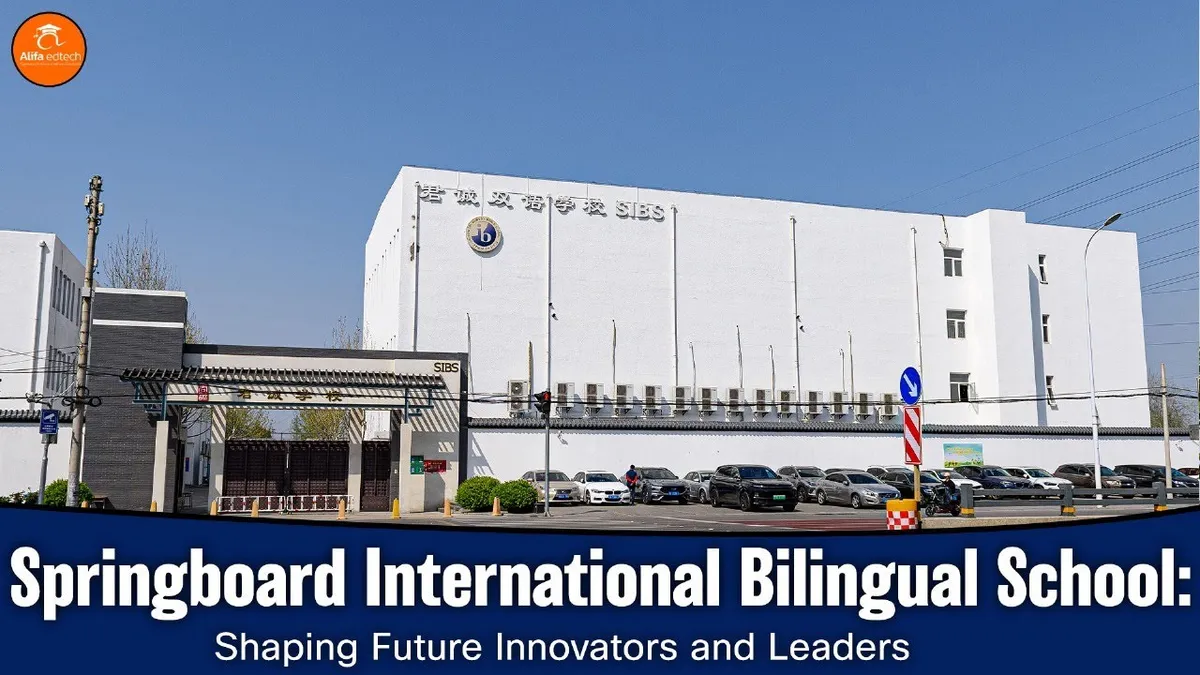
Beanstalk International Bilingual School - Shunyi
Pékin, Chine
IBChineseInternational Baccalaureate+2
2–18 ans
Loading...
Connu comme le Korea Town de Pékin, c'est un grand quartier résidentiel moderne. Il accueille la Western Academy of Beijing (WAB) et dispose d'une excellente infrastructure pour les familles expatriées.
Températures mensuelles, précipitations et conditions maritimes
Estimations mensuelles du budget familial (USD)
Un jeune couple professionnel dans un appartement de 2 chambres dans une tour standard de Wangjing, utilisant le métro, enfants (le cas échéant) dans une école chinoise locale ou une maternelle abordable.
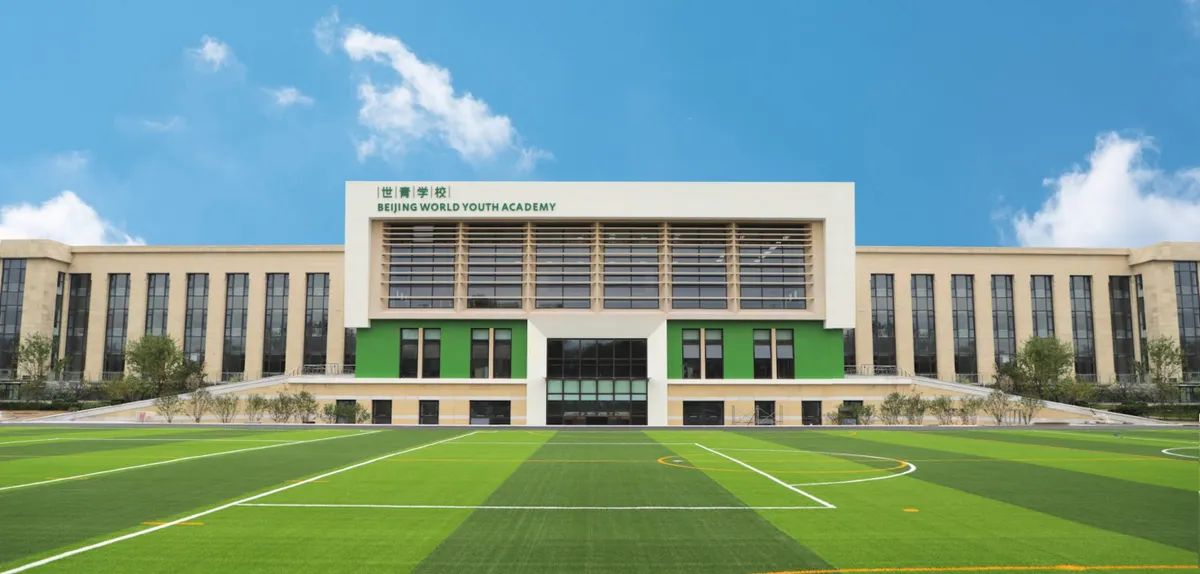
Une famille dans un appartement de 3 chambres dans une tour premium de Wangjing, enfants au BWYA ou dans une école internationale coréenne, ayi à temps partiel, métro et DiDi réguliers.
Une famille de cadre technologique senior dans un appartement de luxe à Wangjing, enfants dans une école internationale, voiture de fonction avec chauffeur, ayi à temps plein, voyages de loisirs réguliers.
Wangjing offers better value than Sanlitun or Shunyi while remaining highly liveable and internationally connected. Its large Korean community creates competitive pricing on Asian groceries and dining. Tech-sector salaries support comfortable living without the extreme premiums of the Shunyi compound model. All figures in USD; 1 USD is approximately 7.2 CNY.
IQA mensuel moyen (échelle US EPA)
L'IQA annuel moyen est de 107. Meilleure qualité de l'air de mai à oct. (meilleur : juil. avec 63). La qualité de l'air se dégrade de janv. à déc. en raison de la chaleur, de l'humidité et de la poussière (pic : déc. avec 166). Les familles avec des enfants asthmatiques ou souffrant d'affections respiratoires devraient prévoir des activités en intérieur pendant les mois d'été.
Wangjing est le quartier coréen de Pékin — le plus grand quartier coréen d'Asie en dehors de la Corée, avec une concentration phénoménale de restaurants coréens, de supermarchés, de karaokés et de commerces. Mais au-delà de son identité coréenne, Wangjing est aussi un grand quartier résidentiel moderne qui attire des familles expatriées de toutes les nationalités en raison de ses logements modernes, de son infrastructure bien développée et de la présence de la Western Academy of Beijing (WAB). La communauté internationale est diverse mais avec une forte composante coréenne et une présence significative de travailleurs de la tech (les bureaux de plusieurs grandes entreprises tech chinoises sont à Wangjing).
Le Parc du stade de Wangjing offre des espaces de loisirs locaux. Le Grand Canal de Pékin (canal Tongzhou) est accessible depuis les environs. Le Parc Chaoyang, l'un des plus grands parcs de Pékin, est à 20 minutes en taxi. Le Palais d'Été (Yiheyuan) est accessible le week-end pour les visites culturelles et les randonnées.
Wangjing est bien desservi par le métro de Pékin — les lignes 13, 14 et 15 ont des stations dans le quartier. La station Wangjing Ouest (ligne 13) est un noeud de transport important. L'aéroport Capital de Pékin est à 20-30 minutes, ce qui est l'un des avantages pratiques du quartier. L'aéroport de Daxing est à 60-70 minutes.
La scène coréenne de Wangjing est extraordinaire — des supermarchés coréens Hanahreum et Paris Baguette aux innombrables restaurants de barbecue et de bibimbap. Pour les produits occidentaux, des supermarchés internationaux comme Ole' et Jenny Lou's sont accessibles. La WAB est la principale école internationale du secteur, avec d'autres options dans un rayon de 20-30 minutes. Les soins de santé sont assurés par des hôpitaux internationaux comme le China-Japan Friendship Hospital.
Pékin a un climat continental semi-aride avec des étés chauds et humides (28-35°C, avec les pluies de mousson en juillet-août) et des hivers froids et secs (-5 à 5°C avec quelques chutes de neige). La qualité de l'air est un sujet préoccupant — les jours de pollution élevée (AQI > 150) sont courants en hiver. Des purificateurs d'air à domicile et des masques KN95 sont recommandés. Wangjing, étant dans la zone est de Pékin, n'a pas d'avantage particulier en termes de qualité de l'air.