Les frais d'école internationale en Asie couvrent une plage énorme. Une famille à Singapore peut payer 35 000 USD par an pour un enfant en primaire. Ce même budget, relocalisé à Bangkok ou Kuala Lumpur, couvre une excellente éducation bilingue, un appartement spacieux et des voyages régionaux réguliers — avec de l'argent en plus. Mais les villes abordables ne se valent pas toutes, et « bon marché » ne raconte jamais toute l'histoire.
Ce guide couvre sept des villes les plus accessibles financièrement pour la scolarité internationale en Asie, avec des évaluations honnêtes de ce que vous obtenez pour le prix.
Pourquoi les fourchettes de frais comptent plus que les moyennes
Les frais de scolarité dans les écoles internationales sont notoirement opaques. Les écoles publient rarement des calendriers de frais complets, les remises promotionnelles sont courantes, et les prélèvements de capital (frais d'inscription uniques, souvent de 2 000 à 10 000 $) peuvent rendre un chiffre annuel raisonnable trompeur. Tout au long de ce guide, les fourchettes de frais reflètent les frais annuels récurrents pour les élèves en primaire (environ de 6 à 11 ans) en USD, hors frais d'inscription uniques.
Les chiffres de l'indice du coût de la vie sont relatifs à une base de 100, où Singapore se situe à environ 95 à 100.
La référence : ce que vous évitez
Avant de plonger dans les options abordables, il est utile de comprendre à quoi ressemble le « cher ».
Singapore est le marché d'école internationale le plus cher d'Asie. La scolarité annuelle dans les établissements de premier rang (Tanglin Trust, UWC, UWCSEA, Chatsworth International) atteint 25 000 à 42 000 $ pour le primaire. Même les écoles de milieu de gamme et les plus petites descendent rarement en dessous de 18 000 $. L'indice du coût de la vie se situe autour de 95 à 100.
Hong Kong est comparable. La scolarité dans les écoles ESF (le système anglophone subventionné) commence à environ 11 000 $ mais a une longue liste d'attente et est inaccessible à la plupart des nouveaux arrivants. Les écoles internationales privées vont de 18 000 à 35 000 $ pour le primaire. L'indice du coût de la vie est d'environ 85 à 90.
Ce sont des marchés éducatifs légitimes de classe mondiale — mais ce ne sont pas les seules options, et pour de nombreuses familles, la différence de frais seule couvre l'intégralité du loyer de leur foyer dans une ville plus abordable.
Comparaison rapide
| Ville | Scolarité annuelle moyenne (primaire) | Indice du coût de la vie | Nombre d'écoles internationales |
|---|---|---|---|
| Singapore | 28 000 $ | 97 | 80+ |
| Hong Kong | 24 000 $ | 88 | 60+ |
| Bangkok | 12 000 $ | 45 | 70+ |
| Kuala Lumpur | 9 500 $ | 38 | 50+ |
| Ho Chi Minh Ville | 11 500 $ | 40 | 40+ |
| Jakarta | 13 000 $ | 37 | 35+ |
| Manila | 8 000 $ | 35 | 30+ |
| Phnom Penh | 7 500 $ | 30 | 20+ |
| Chiang Mai | 6 000 $ | 28 | 15+ |
Les chiffres de scolarité sont des moyennes pour les écoles de milieu de gamme ; les options de premier rang dans chaque ville peuvent dépasser ces fourchettes. L'indice du coût de la vie est relatif, Singapore ≈ 97.
Bangkok
Bangkok se trouve au point idéal de la courbe d'accessibilité de l'Asie : une grande ville avec une infrastructure solide, une communauté d'expatriés bien établie et un choix suffisamment large d'écoles internationales pour que les familles trouvent une vraie diversité de programmes — BI, Programme national britannique, américain, bilingue thaï — sans compromis sur la qualité.
Fourchette de frais : 6 000 à 22 000 $ par an pour le primaire, la plupart des écoles réputées se situant dans la tranche 10 000 à 15 000 $. Les écoles de premier rang comme NIST International School et Bangkok Patana s'approchent de la limite supérieure, tandis que SISB et les programmes plus petits offrent de solides alternatives en dessous de 10 000 $.
Contexte du coût de la vie : L'indice du coût de la vie à Bangkok est d'environ 45 — soit à peu près la moitié de Singapore. Un appartement de trois chambres dans un quartier d'expatriés adapté aux familles comme Sukhumvit ou Thonglor coûte 1 200 à 2 500 $/mois. Les courses, les sorties au restaurant et l'aide domestique sont peu coûteux selon tout standard occidental.
Qualité par rapport à la valeur : Bangkok est probablement la meilleure proposition valeur globale de cette liste. Les écoles avec des programmes IB complets et de solides bilans de placement universitaire facturent 40 à 60 % de moins que les écoles équivalentes à Singapore. Les compromis sont réels — la circulation est légendaire, la qualité de l'air en saison sèche (février-avril) est mauvaise, et la chaleur est incessante — mais ce sont des considérations de style de vie, pas des problèmes de qualité éducative.
Les écoles de Bangkok offrent souvent des réductions pour la fratrie de 10 à 15 % et renoncent parfois aux frais d'inscription pour les familles qui s'engagent sur des contrats pluriannuels. Cela vaut la peine de demander directement lors du processus d'admission.
Kuala Lumpur
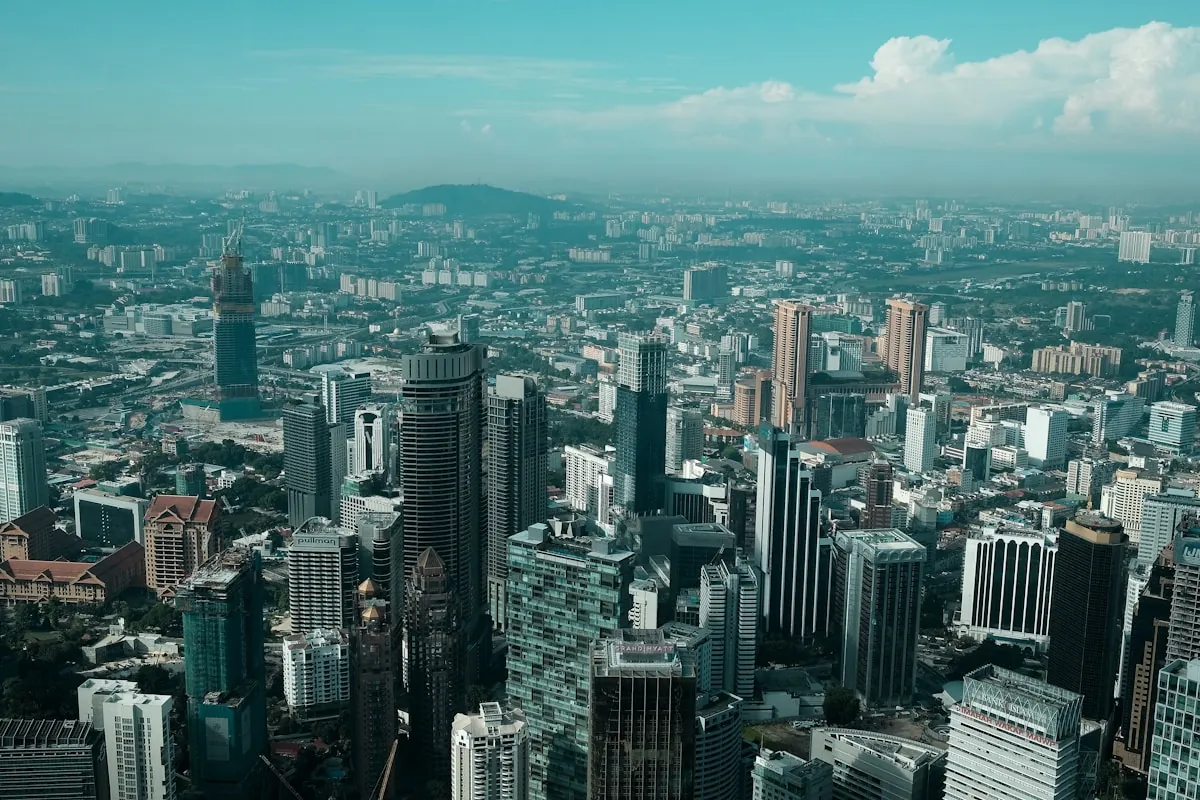
Kuala Lumpur est sans doute la ville d'école internationale la plus sous-estimée d'Asie du Sud-Est. Le programme Malaysia My Second Home (MM2H) et l'environnement de visa historiquement souple ont construit une communauté d'expatriés substantielle, et l'infrastructure scolaire qui en résulte est impressionnante par rapport au coût.
Fourchette de frais : 5 000 à 18 000 $ par an pour le primaire. Garden International School et Alice Smith School se trouvent en haut de la fourchette avec de solides réputations pour le programme britannique. Les écoles de milieu de gamme comme Cempaka et Sri KDU International offrent de solides programmes dans la tranche 7 000 à 10 000 $.
Contexte du coût de la vie : L'indice du coût de la vie de KL est d'environ 38. Le loyer mensuel pour un trois chambres à Mont Kiara ou Damansara Heights (les principaux quartiers d'expatriés) atteint 800 à 1 800 USD. Il existe d'excellents transports en commun si vous vivez près d'une ligne MRT ; sinon, avoir une voiture est pratiquement indispensable.
Qualité par rapport à la valeur : KL offre le meilleur ratio scolarité/qualité de cette liste. Alice Smith et Garden International sont accréditées, ont de solides bilans de placement universitaire et facturent moins de la moitié des écoles comparables à Singapore. La maîtrise de l'anglais dans la population locale est élevée, ce qui compte pour la vie quotidienne de la famille.
Plusieurs écoles internationales de KL proposent des bourses sous conditions de ressources ou des frais réduits pour les enfants des employés d'entreprises partenaires. Si votre employeur a un accord corporatif avec une école, les économies peuvent être substantielles — renseignez-vous auprès des RH avant de supposer que les frais sont fixes.
Ho Chi Minh Ville
Ho Chi Minh Ville a connu une croissance spectaculaire en tant que marché d'école internationale au cours de la dernière décennie, portée par d'importants investissements directs étrangers dans la fabrication et la technologie. La ville dispose d'un ensemble d'écoles internationales compact mais de haute qualité, notamment dans le District 2 (maintenant Thu Duc City) et le District 7.
Fourchette de frais : 7 000 à 20 000 $ par an pour le primaire. Les écoles de RMIT Vietnam, la British Vietnamese International School (BVIS) et l'International School Ho Chi Minh City (ISHCMC) sont parmi les options les plus établies. Les frais ont augmenté plus vite que dans d'autres villes de cette liste, la demande ayant progressé.
Contexte du coût de la vie : L'indice du coût de la vie est d'environ 40. Le District 2 — où la plupart des écoles internationales se concentrent — a connu une gentrification rapide et une inflation des loyers, mais un appartement de trois chambres coûte encore 1 000 à 2 200 $/mois. La scène gastronomique est exceptionnelle et peu coûteuse ; une famille de quatre personnes peut très bien manger en dehors de la maison pour 400 à 600 $/mois.
Qualité par rapport à la valeur : HCMC est solide en termes de valeur mais plus mince en diversité de programmes qu'à Bangkok ou KL. Des options IB existent mais sont concentrées dans un plus petit nombre d'écoles. Si votre famille a besoin d'un programme spécifique (américain, par exemple), vous pouvez avoir moins de choix. Cela dit, les écoles qui opèrent ici sont des institutions sérieuses avec de vraies accréditations.
Jakarta
Jakarta présente un profil intéressant : la scolarité est en fait en haut de la fourchette des villes asiatiques « abordables », mais le coût de la vie est suffisamment bas pour que l'ensemble reste attractif. C'est également l'un des marchés d'école internationale les plus importants d'Asie du Sud-Est, avec une vraie profondeur d'options.
Fourchette de frais : 8 000 à 22 000 $ par an pour le primaire. Jakarta Intercultural School (JIS) est l'école phare à programme américain et se situe vers le haut de la fourchette. Des options australiennes, britanniques et IB existent également à différents niveaux de prix.
Contexte du coût de la vie : Malgré être une capitale de 35 millions d'habitants, l'indice du coût de la vie de Jakarta est d'environ 37. Les quartiers d'expatriés comme Pondok Indah et Kemang proposent des logements spacieux selon les standards régionaux à 1 200 à 2 500 $/mois pour un trois chambres. Le personnel domestique est très abordable. La circulation est le principal problème de qualité de vie à Jakarta — la localisation de l'école par rapport à votre quartier compte énormément.
Qualité par rapport à la valeur : Les écoles internationales de Jakarta sont bien établies et très utilisées par les familles bénéficiant de packages de relocalisation d'entreprise complets. Cela fait monter la demande et, dans une certaine mesure, les frais — l'étiquette « abordable » correspond davantage au faible coût de la vie qu'à une scolarité inhabituellement basse. Pour les familles qui financent elles-mêmes, Jakarta est compétitif mais pas l'option la moins chère de cette liste.
Si vous déménagez à Jakarta pour le travail, obtenez des précisions de votre employeur sur l'allocation d'éducation avant de vous engager sur une école. De nombreuses écoles internationales de Jakarta fonctionnent en sachant qu'une grande part de leurs familles bénéficient de packages d'expatriés, et les frais le reflètent.
Manila
Manila est fréquemment négligée dans les conversations sur la scolarité internationale en Asie, en partie parce que les Philippines ont de si solides écoles privées anglophones que la distinction entre « internationale » et « privée locale » s'estompe. C'est en fait un avantage : une famille qui valorise la maîtrise de l'anglais et la rigueur académique dispose d'une gamme plus large d'options à des prix plus bas.
Fourchette de frais : 4 000 à 15 000 $ par an pour le primaire. British School Manila, International School Manila et Brent International sont parmi les options internationales établies. Les frais sont sensiblement inférieurs aux écoles comparables à Bangkok ou KL.
Contexte du coût de la vie : L'indice du coût de la vie de Manila est d'environ 35. BGC (Bonifacio Global City) est le quartier d'expatriés préféré — moderne, accessible à pied et plus sûr que les zones plus anciennes de la ville. Le loyer atteint 800 à 1 800 $/mois pour un trois chambres. L'anglais est parlé partout ; c'est un avantage rare qui réduit directement les frictions familiales à l'arrivée.
Qualité par rapport à la valeur : Manila est au-dessus de son rang. L'enseignement à médium anglophone est la norme plutôt que l'exception, les écoles ont des cultures solides et les coûts sont véritablement bas. Les compromis sont liés à l'infrastructure : la circulation est sévère, les coupures de courant ne sont pas rares en dehors de BGC, et la saison des typhons (juin-octobre) apporte des perturbations périodiques.
Phnom Penh
Phnom Penh est l'option la plus émergente de cette liste, et ce n'est pas pour toutes les familles. Mais pour ceux qui sont attirés par une ville plus petite et paisible avec une communauté d'expatriés inhabituellement soudée, elle offre une véritable accessibilité sans sacrifier la qualité éducative — du moins dans une gamme de programmes plus restreinte.
Fourchette de frais : 4 000 à 12 000 $ par an pour le primaire. Northbridge International School, International School of Phnom Penh (ISPP) et Australian Centre for Education (ACE) sont les acteurs établis. Une poignée d'écoles plus petites avec de solides cultures académiques opèrent à 4 000 à 6 000 $.
Contexte du coût de la vie : L'indice du coût de la vie de Phnom Penh est d'environ 30. Le loyer pour un trois chambres dans un bon quartier d'expatriés atteint 700 à 1 400 $/mois. La ville est suffisamment petite pour que la plupart des familles vivent à moins de 20 minutes de leur école. La nourriture, l'aide domestique et les transports sont très peu coûteux.
Qualité par rapport à la valeur : ISPP en particulier jouit d'une bonne réputation et envoie des élèves dans des universités compétitives. La limitation est la sélection : vous avez moins de 10 choix d'écoles internationales significatifs, donc si votre enfant a des besoins spécifiques (programmes de soutien à l'apprentissage, sport spécialisé, offres linguistiques spécifiques), vous pouvez trouver le marché mince.
Les frais d'école plus bas de Phnom Penh valent la peine d'être explorés même si votre pays de destination n'est pas le Cambodge. Plusieurs familles nomades l'utilisent comme base pendant 1 à 2 ans quand les enfants sont jeunes, puis se déplacent vers un marché plus grand quand la diversité des programmes au secondaire devient plus importante.
Chiang Mai
Chiang Mai est l'option la moins chère de cette liste et est véritablement unique : une ville thaïlandaise de taille moyenne avec une grande communauté créative et de télétravail, entourée de montagnes, et qui abrite quelques écoles internationales qui servent bien une communauté soudée.
Fourchette de frais : 3 000 à 10 000 $ par an pour le primaire. Chiang Mai International School (CMIS), Prem Tinsulanonda International School et Grace International School sont les principales options. Prem, un internat avec des places pour les élèves extérieurs, est le plus prestigieux et approche 10 000 $ pour les élèves externes.
Contexte du coût de la vie : L'indice du coût de la vie de Chiang Mai est d'environ 28 — le plus bas de cette liste. Une maison de trois chambres avec jardin, chose impossible à ce prix dans n'importe quelle grande ville, coûte 500 à 1 000 $/mois. Le style de vie est véritablement confortable ; la scène des restaurants est excellente et les opportunités de loisirs en plein air sont exceptionnelles.
Qualité par rapport à la valeur : Chiang Mai est la bonne réponse pour la bonne famille — généralement une qui privilégie le style de vie, est flexible sur le programme et n'a pas besoin de la variété d'un grand hub d'expatriés. Le programme IB à Prem a un solide bilan. Pour les familles ayant besoin d'un parcours de programme spécifique (AP américain, A-Levels, etc.), les options se réduisent considérablement. Chiang Mai n'est pas non plus le bon choix si des considérations de carrière nécessitent un accès régulier à un grand hub d'affaires.
Décider de ce qui compte pour votre famille
L'accessibilité n'est pas un seul chiffre. Le vrai calcul est :
- Scolarité — l'élément le plus visible, mais pas le seul
- Frais d'inscription / prélèvements de capital — souvent 3 000 à 10 000 $ et parfois non remboursables
- Coût de la vie — loyer, courses, transport et garde d'enfants en dehors des heures de classe
- Continuité du programme — votre enfant peut-il effectuer une transition en douceur si vous déménagez à nouveau ?
- Style de vie familial — qualité de l'air, circulation, prévalence de l'anglais, sécurité et activités du week-end comptent énormément pour qu'une affectation semble viable
Les villes de ce guide offrent de vraies économies par rapport à Singapore et Hong Kong — mais elles varient considérablement sur toutes les autres dimensions. Une famille de Londres trouvera les écoles à programme britannique de Kuala Lumpur parfaitement adaptées ; une famille américaine peut privilégier Jakarta ou Manila pour la continuité du programme américain ; un couple en télétravail avec un jeune enfant peut trouver Chiang Mai idéale d'une façon qu'aucun tableur ne saisit.
Utilisez l'outil de recherche Scholae pour filtrer par programme, groupe d'âge et gamme de frais annuels dans ces villes et comparer des écoles spécifiques côte à côte — au-delà des moyennes, pour voir ce que les établissements facturent réellement et ce qu'ils offrent en échange.
La bonne école internationale n'est pas la plus chère. En Asie, c'est rarement le cas.